
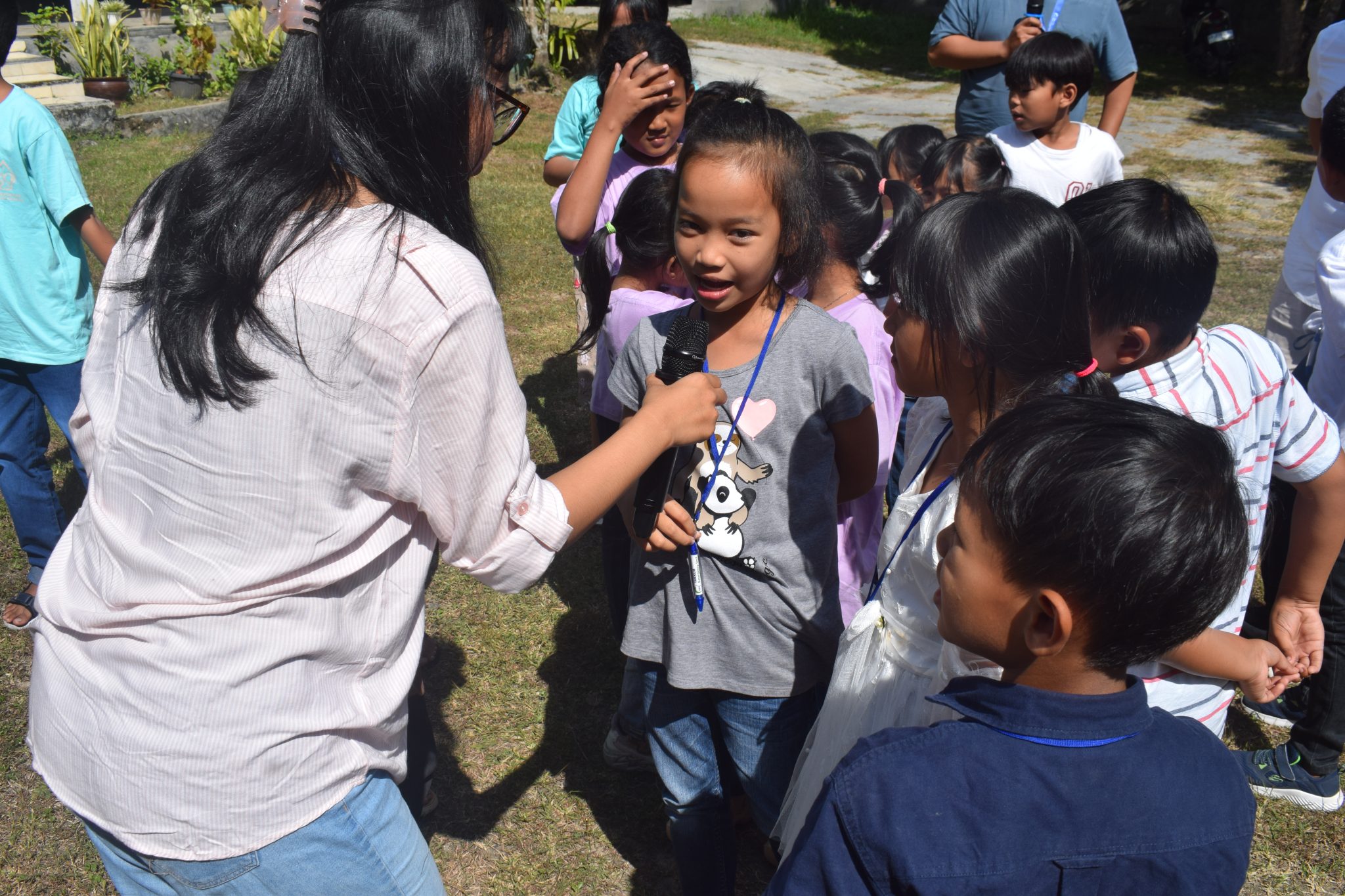
“Sunday School children need to learn about disasters from an early age. When they grow into resilient individuals who understand how to respond to disasters, the church will also become stronger in facing various challenges.” — David Pattinama, YAKKUM Emergency Unit (YEU)
The Importance of Disaster Education for Children
When disasters occur, children are among the groups most affected. In addition to facing threats to their safety and well-being, children often have limited understanding of emergency situations and how to respond to them. Yet disaster preparedness education rarely targets children. Basic knowledge and skills on disaster preparedness need to be introduced from an early age so that children can grow into more resilient, caring, and better-equipped individuals who are able to face future risks.
This awareness is closely aligned with the spirit of the 2026 Easter celebration of the GKJ (Javanese Christian Church) Synod, which carries the theme of Ecological Easter. The theme encourages Christians to become increasingly aware of the importance of protecting and caring for God’s creation. The disasters that have occurred in recent years serve as a reminder that environmental degradation and changes in natural conditions can have significant impacts on human life. Therefore, caring for the environment cannot be separated from preparedness for disaster risks. As an expression of ecological repentance, Christians are encouraged not only to maintain the balance of nature, but also to build the awareness, knowledge, and skills needed to face various disaster threats wisely and responsibly.
Inspired by this spirit, the Fellowship of Church Members (PWG) of the GKJ Kulon Progo Classis, together with YEU, organized Vacation Bible School (SAL) under the theme “Be a Helper to Others: Stay Alert, Respond, and Show Empathy” for Sunday School children from across the Kulon Progo Classis at GKJ Kalipenten. Through this activity, children did more than listen to Bible stories. They also learned to identify disaster threats, practice basic self-protection measures, and understand the importance of helping and caring for others, especially in times of need. Through this approach, SAL became a learning space that nurtured faith, empathy, and disaster preparedness from an early age.
Learning Preparedness and Compassion through Bible Stories
One of the Bible stories introduced during SAL was the story of Noah. In the story, Noah showed his faith and preparedness by following God’s instructions to build an ark before the flood occurred. Through this story, children were encouraged to understand the importance of recognizing disaster threats, paying attention to warning signs, and preparing themselves before a disaster occurs.
Through simple and age-appropriate explanations, the children learned that preparedness is not about being afraid of disasters, but about knowing how to protect themselves and others in an emergency.
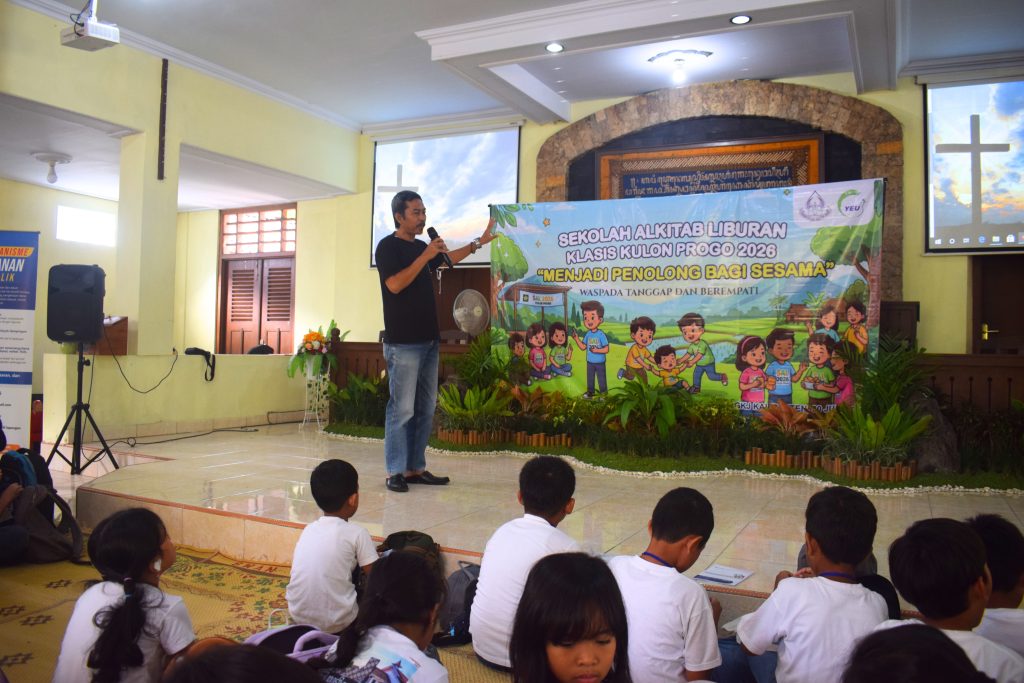
Photo 1. Rev. Aris Kristian Widodo tells the stories of Noah and the Good Samaritan
In addition to preparedness, SAL also taught children the value of caring for others through the story of the Good Samaritan. Children learned that love is expressed not only through words, but also through concrete actions to help anyone in need. In the context of disasters, this value is particularly important because recovery depends not only on material assistance, but also on empathy, solidarity, and support from those around us.
The values learned through the Bible stories were reinforced through various interactive activities, including disaster-themed games and songs that encouraged children to recognize different types of disasters. Learning was also complemented by an earthquake simulation, where children practiced basic self-protection measures, from protecting their heads and finding a safe place to evacuating in an orderly manner once the shaking had stopped. The simulation gave children hands-on experience, helping them become better prepared to respond to emergency situations.
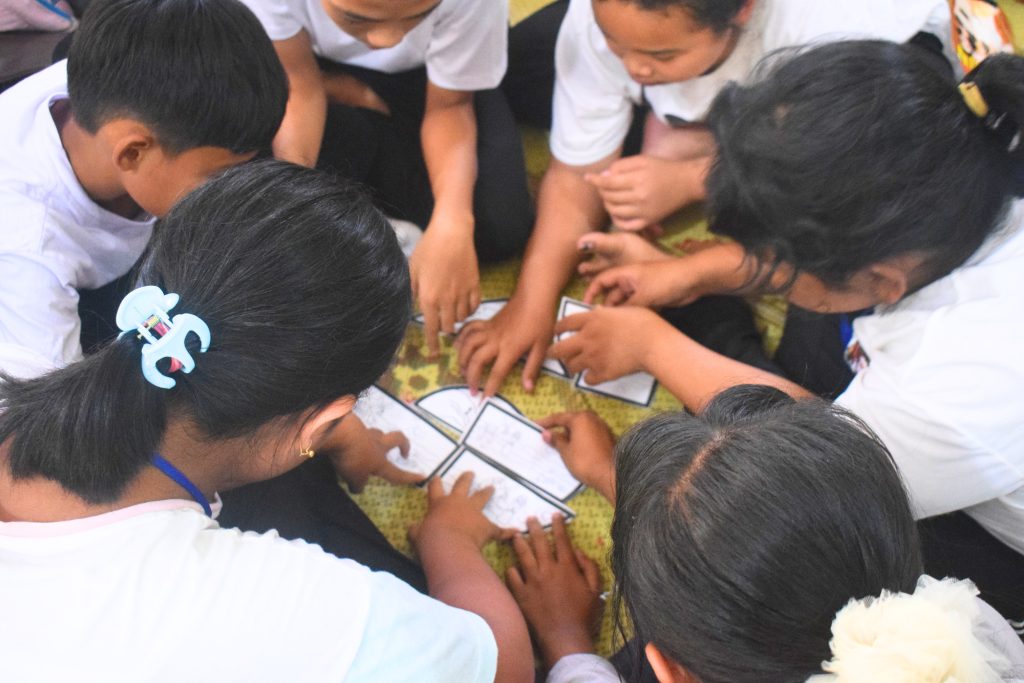
Photo 2. Children putting together a Good Samaritan puzzle
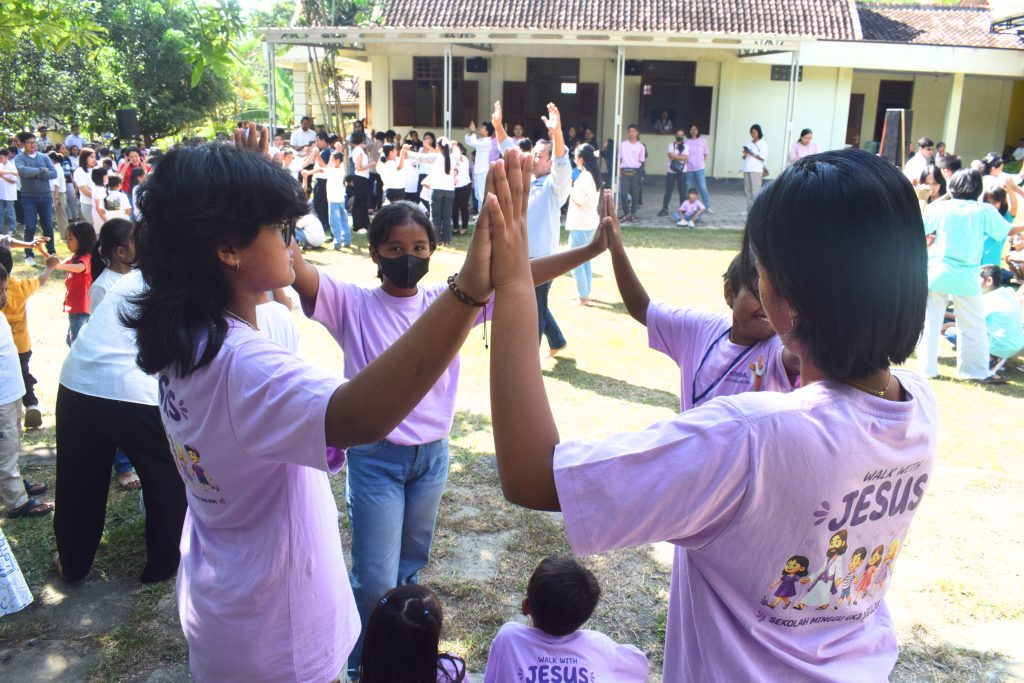
Photo 3. Children learning to recognize different types of disasters through the “Squirrel and Tree” game
This learning went beyond helping children understand disasters. It also became an important part of efforts to build a culture of preparedness within the church community.
“It is important to teach this because churches need to develop the awareness to prepare, learn, practice, and have a solid theological foundation for helping others. We should not wait until a disaster occurs before thinking about an emergency response. First aid and emergency assistance also need to be taught and practiced. By integrating SAL with disaster preparedness education, the church will become increasingly prepared to face disasters in the future,” explained Rev. Aris Kristian Widodo.
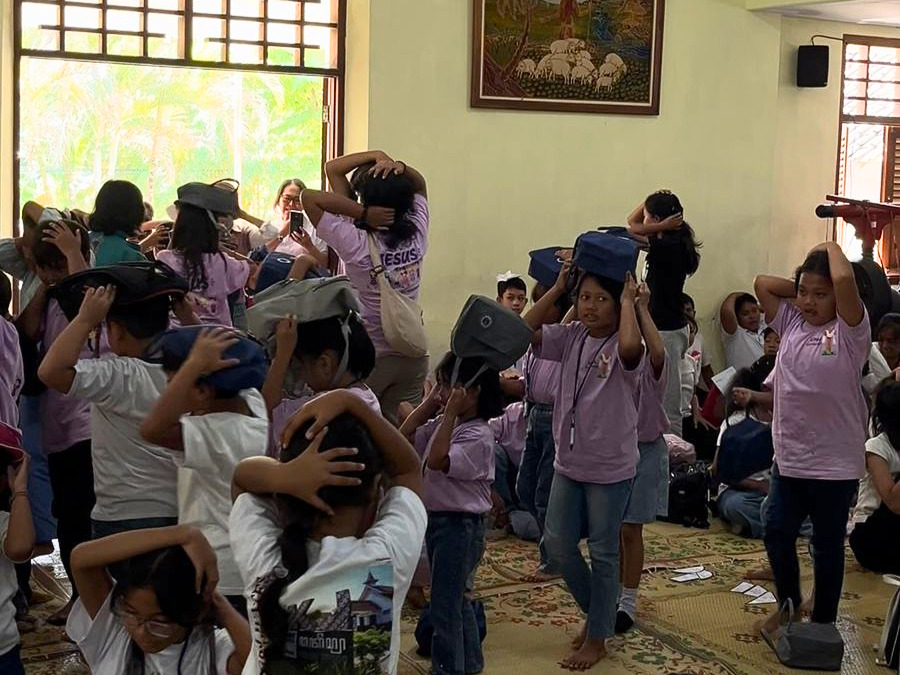
Photo 4. Children participating in an earthquake simulation
The learning approach, which combines Bible stories with disaster education, received positive feedback from the adult chaperones accompanying the children. Novi, an adult chaperone from GKJ South Wates, considered the material relevant to the children’s daily lives. She noted that the children participated enthusiastically in every session and found it easier to understand the messages.
“The children were very enthusiastic about today’s learning because they live alongside disaster risks and have experienced them firsthand, particularly in South Wates, a coastal area exposed to earthquake and tsunami risks. The fact that today’s learning was connected to the Bible also made it easier for the children to understand disaster preparedness through God’s Word,” he said.
Turning Compassion and Preparedness into Action
SAL demonstrates that the church plays a role not only in nurturing children’s faith, but also in equipping them with values of compassion and preparedness to face various challenges, including disaster risks.
By combining Bible stories, games, songs, and simulations, learning becomes more relevant to children’s lives while fostering compassion, courage, and preparedness from an early age. More than simply an educational activity, SAL is expected to contribute to building a culture of disaster preparedness within the church.
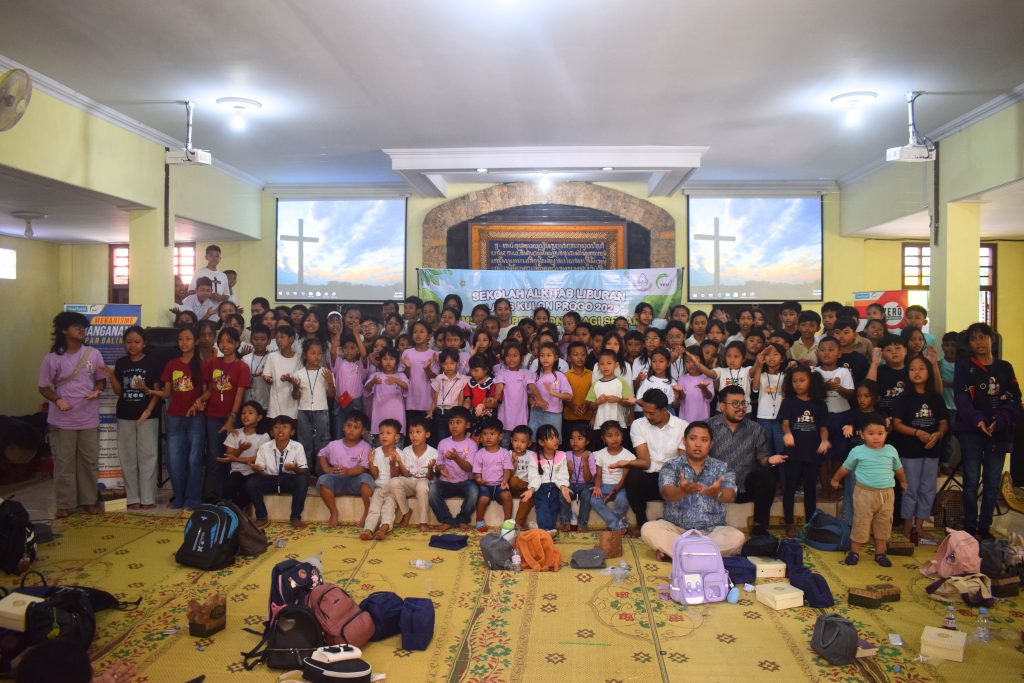
Photo 5. Sunday School children from across the Kulon Progo Classis with their adult chaperones and pastors during the SAL activity
“Disaster preparedness is something new for the children, so the Classis hopes that this can become a sustainable program. Through SAL, disaster preparedness content can continue to be introduced so that children become more familiar with it and can learn more about disasters,” said Rev. Krisnanda P. Putra, representing the Kulon Progo Classis.
Further implementation of this program is expected to strengthen disaster preparedness education as part of children’s learning in the church while enhancing their capacity to respond to different types of disasters. The values of faith, compassion, and preparedness nurtured through SAL can continue to shape children’s everyday lives, helping them become more caring and resilient and better equipped to face future risks and challenges.
Photo Note: All photos of children used in this article were taken with the consent of their parents/guardians and relevant parties.