
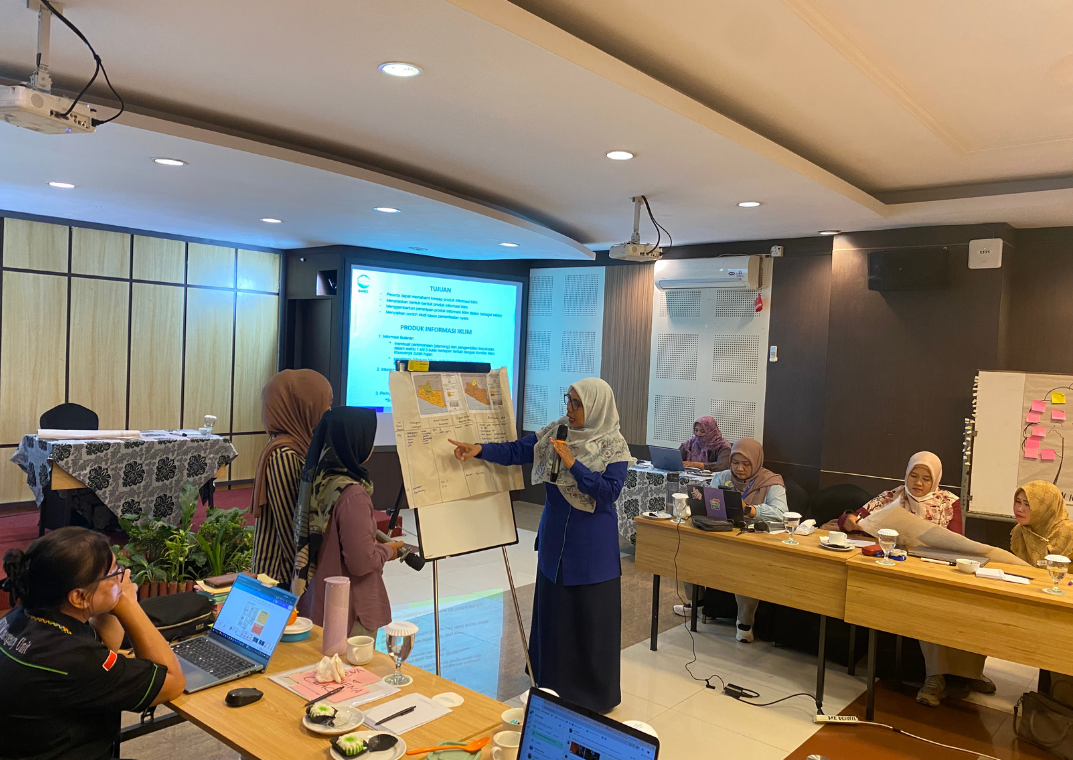
Climate Change is Becoming Increasingly Visible in Women’s Lives
Climate change is no longer a distant issue in everyday life. Its impacts are becoming increasingly visible and directly felt by communities, particularly by grassroots women. Unpredictable weather patterns, prolonged dry seasons, droughts, floods, and crop failures are challenges that directly affect family and community life.
In many rural and urban areas, women play a central role in managing household needs, ensuring family food security, and maintaining environmental health within their communities. When climate change occurs, women are often among the most affected groups because they are directly responsible for water management, food preparation, family health, and sustaining livelihoods.
At the same time, women also possess local knowledge, lived experiences, and strong capacities to build community resilience. Therefore, strengthening climate literacy among women is an important step to ensure that women are not only viewed as vulnerable groups affected by climate change, but also as key actors in developing climate solutions.
What is Climate Literacy?
Climate literacy refers to the ability to understand the causes, impacts, and responses to climate change. Climate literacy helps communities understand how human activities affect the environment, how climate and weather patterns change, and how communities can adapt to various climate-related risks.
During the training, participants learned about several key topics, including:
- Basic concepts of climate change
- Differences between weather and climate
- Greenhouse gases and global warming
- Dampak perubahan iklim terhadap kehidupan sehari-hari
- Weather and climate information provided by BMKG
- Climate projections for the future
- Identification of community risks and vulnerabilities
- Development of climate adaptation and mitigation action plans
The training applied participatory learning methods through group discussions, collective reflection, risk mapping, and simulations on climate-informed decision making.
Why Do Women Need Climate Literacy?
Women are closely connected to natural resource management and the sustainability of family life. In many communities, women are responsible for managing water, food, family health, and household waste management.
When climate change occurs, women often experience additional burdens. During droughts, for example, women may need to travel further to access water, carefully manage household water use, or cope with increasing daily living costs. In agricultural areas, women also face the risks of crop failure caused by changing seasons and extreme weather conditions.
For these reasons, women need to understand climate change in order to:
- Recognize risks occurring in their communities
- Make more adaptive decisions
- Reduce the vulnerability of families and communities
- Develop community-based solutions
- Promote more inclusive collective action
Climate literacy is also important for strengthening women’s participation in community and village-level decision-making processes.
The Impacts of Climate Change Experienced by Women
One of the training participants, Ine Indriyani, shared her experiences regarding the impacts of climate change in her community. According to her, drought has become one of the most significant climate-related challenges affecting women.
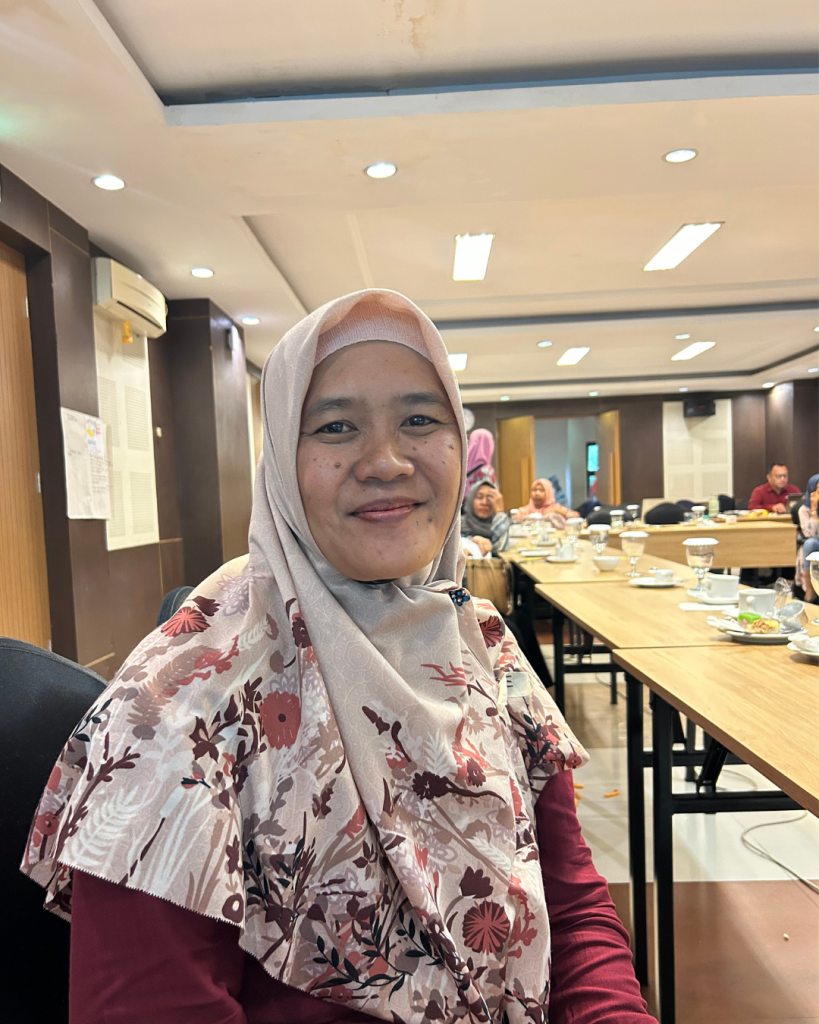
Photo 1: Ine Indriyani sharing her experience during the training.
“We need to water crops four to five times each month. The hotter the weather becomes, the more water we need, and this increases agricultural costs,” she added.“Women are the ones most exposed to water-related responsibilities such as cooking, washing, and other household needs. In addition, water shortages also greatly affect our agriculture,” she explained.,” jelasnya.
She described how extreme weather conditions have caused rice fields to dry up, crops to die, and harvest failures. Previously, communities relied on rainwater, but due to increasing drought conditions, families are now required to purchase water from outside their villages to meet household and agricultural needs.
“We need to water crops four to five times each month. The hotter the weather becomes, the more water we need, and this increases agricultural costs,” she added.“We need to water crops four to five times each month. The hotter the weather becomes, the more water we need, and this increases agricultural costs,” she added.” tambahnya.
Her experience demonstrates that climate change affects not only the environment, but also household economies, health, and women’s overall wellbeing.
Learning to Use Climate Information in Daily Life
During the training, participants also received sessions from BMKG regarding weather and climate information services. Participants learned how climate information can support community-level decision making and preparedness. Participants were also encouraged to understand how to respond to extreme weather early warnings by discussing:
- Who should take action
- What actions should be taken
- When those actions should be implemented
Through these sessions, women were encouraged to become more confident in understanding and using climate information to support community resilience.
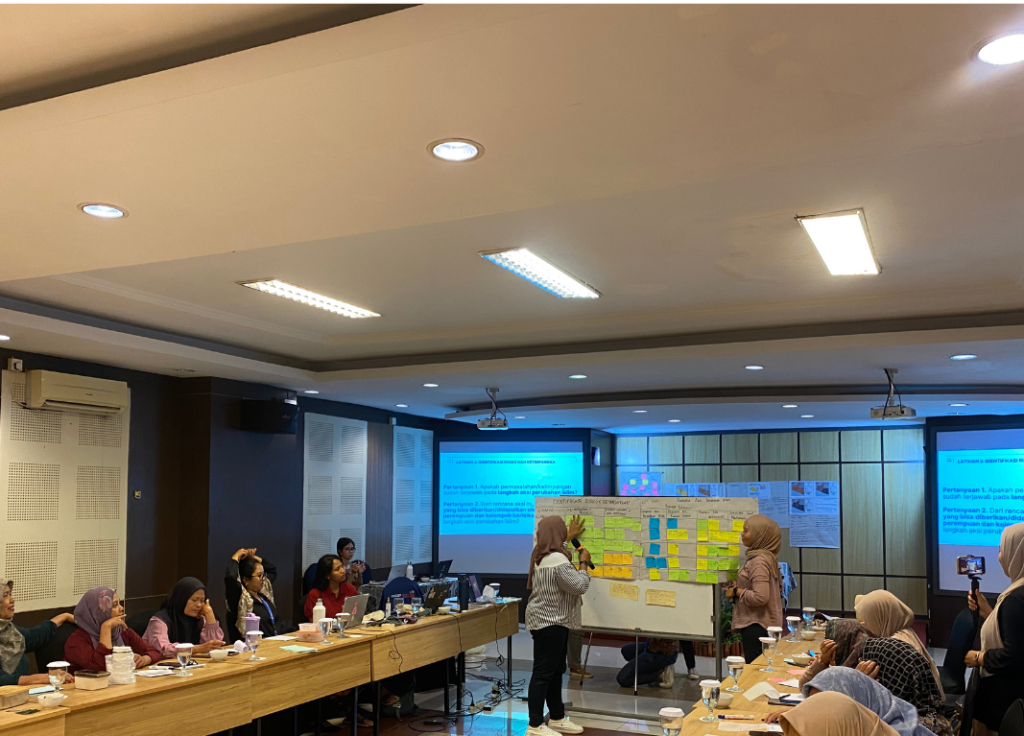
Photo 2: Group discussion on identifying risks and inequalities within communities.
Building Collective Action from the Community Level
The training did not stop at increasing knowledge alone. Participants were also encouraged to develop community-based climate action plans.
Through group discussions, women learned from one another and provided feedback on each group’s proposed action plans. They reflected on important questions such as:
- Have the identified problems and inequalities been addressed within the action plans?
- What benefits can these actions provide for women and other at-risk groups?
- How can these actions be sustained over time?
Through this process, participants learned to understand the relationship between climate change, social inequality, and the needs of vulnerable groups.
The discussions also strengthened solidarity among women’s groups in developing more inclusive and locally relevant resilience solutions.
Women Begin Developing Adaptation Practices
Following the training, several women began implementing simple adaptation actions within their households and communities.
According to Ine Indriyani, women in her community have started separating household waste after understanding that burning waste contributes to greenhouse gas emissions.
“We need to water crops four to five times each month. The hotter the weather becomes, the more water we need, and this increases agricultural costs,” she added.“In the past, people burned their waste. Now they are starting to separate organic and non-organic waste. Organic waste is buried and processed into compost,” she explained.” ujarnya.
In addition, women have also started:
- Conserving water use
- Using short-term crop varieties
- Choosing crops that are more resilient to changing weather conditions
- Developing organic fertilizers to maintain soil quality
These small but meaningful actions are becoming important steps toward strengthening community resilience to climate change.
Women’s Hopes for a More Resilient Future
At the end of the training, participants expressed their hopes that more women would become aware of climate change impacts and begin implementing adaptation actions within their own communities.
They hope to see:
- More women practicing waste segregation
- Wider use of climate-resilient crop varieties
- Increased use of organic fertilizers
- Greater involvement of women in community decision-making
- Stronger participation of women’s groups in environmental and resilience actions
These aspirations demonstrate that women are not only among the groups most affected by climate change, but also essential actors in creating solutions.
Climate change has created real impacts on women’s lives, particularly regarding water, food security, health, and livelihoods. Therefore, strengthening climate literacy is an important step in enhancing women’s capacities to respond to climate-related risks.
Ketika perempuan memiliki akses terhadap pengetahuan dan ruang partisipasi yang lebih luas, mereka mampu menjadi penggerak perubahan di komunitasnya. Dari langkah sederhana seperti menghemat air dan memilah sampah, hingga menyusun aksi ketangguhan komunitas, perempuan menunjukkan bahwa ketangguhan terhadap perubahan iklim dapat dimulai dari tingkat akar rumput.