
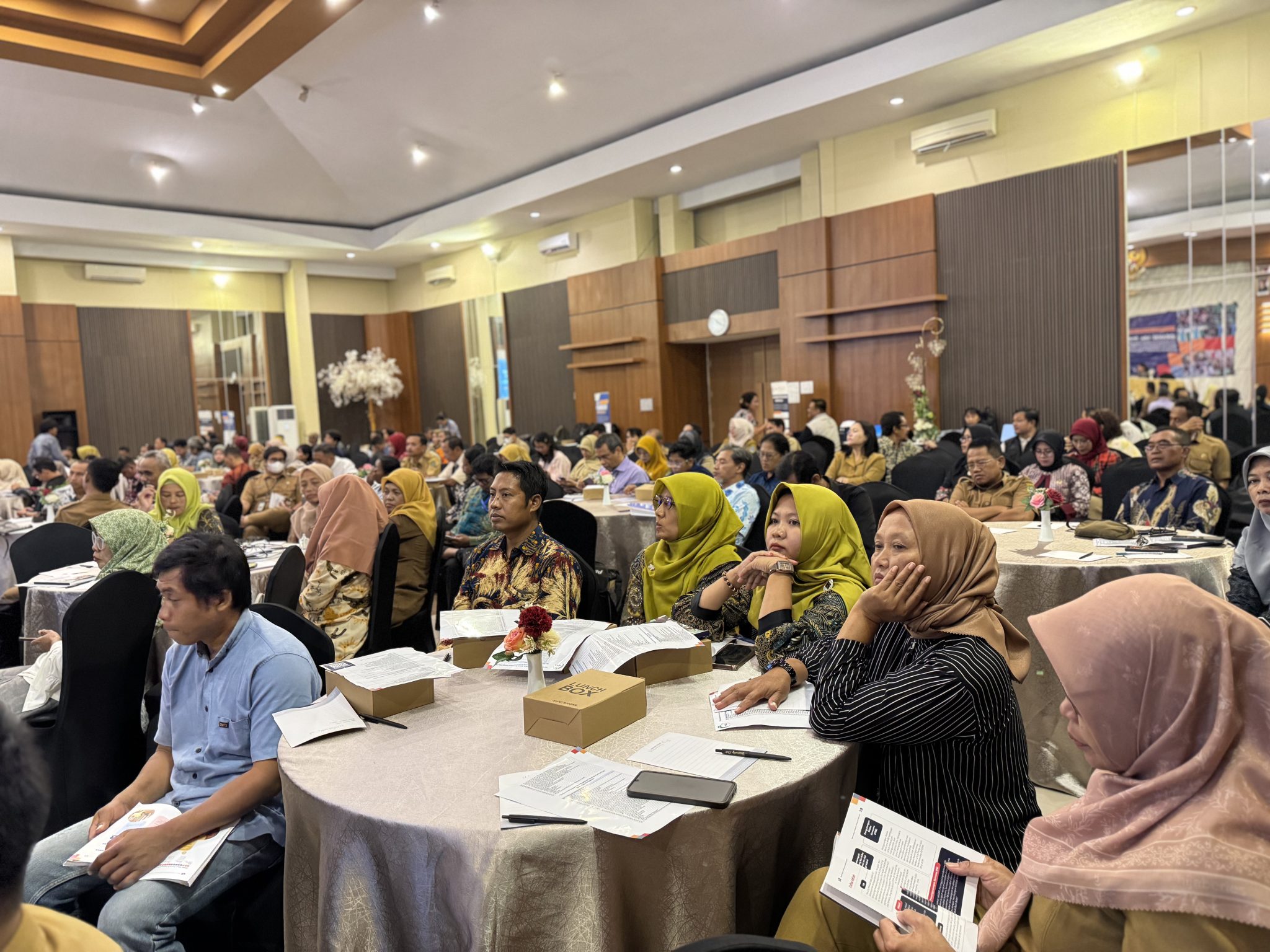
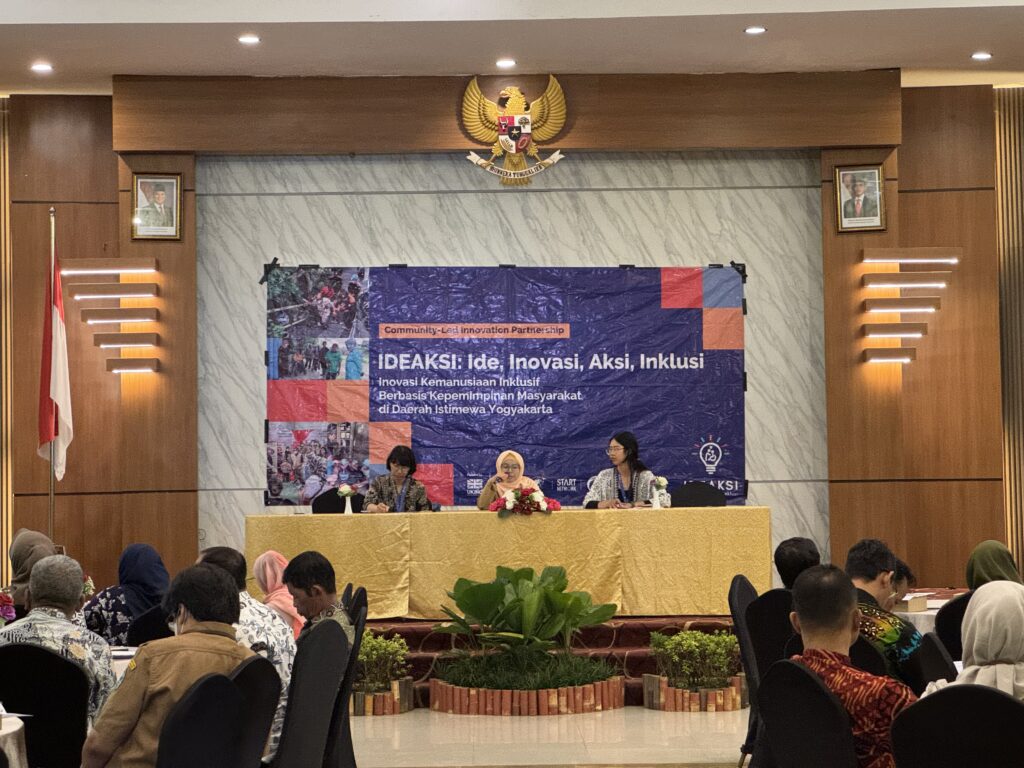
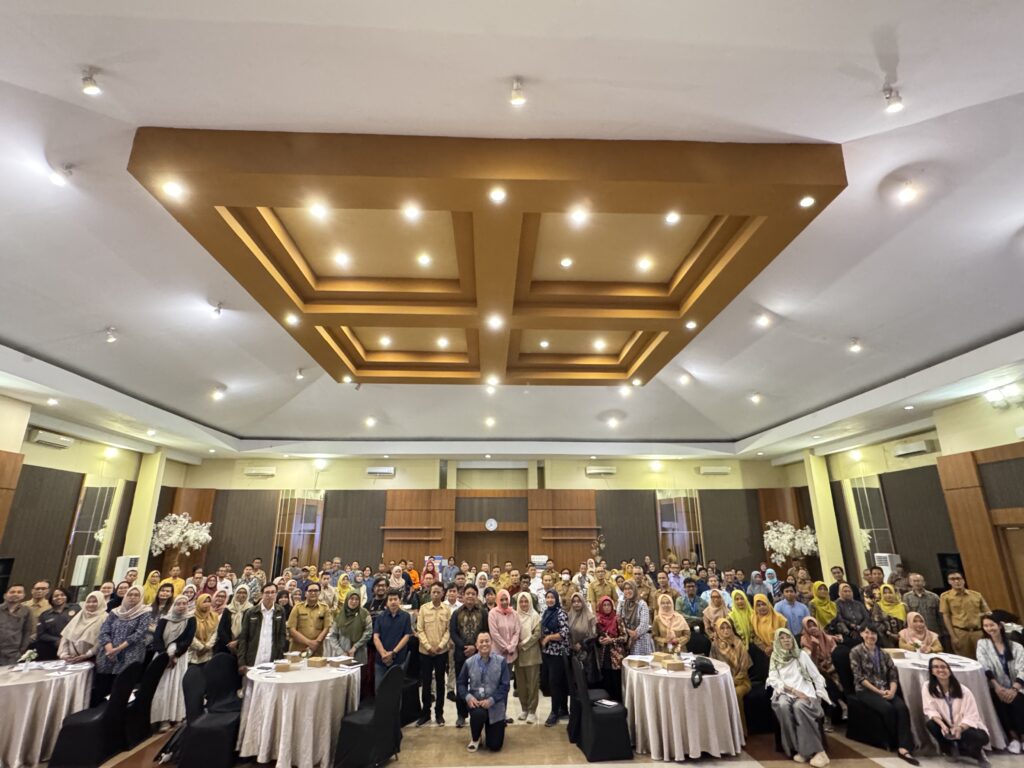
Yogyakarta, 16 March, 2026 – YAKKUM Emergency Unit (YEU) hosted the IDEAKSI Multi-Stakeholder Workshop: Practices, Lessons Learned, and Sustainability of Community-Based Innovations, held at the University Club Hotel UGM in Sleman, Special Region of Yogyakarta.
This workshop served as a space for reflection and for strengthening collaboration among community innovators, government officials, academics, and various stakeholders in support of community-based disaster risk reduction innovations. A total of 136 participants from various sectors attended the workshop, including representatives from local governments, civil society organizations, academics, the media, and 24 IDEAKSI innovator groups in the Special Region of Yogyakarta that have been supported by YEU since 2021.
Six Years of IDEAKSI: Innovation by and for the Community
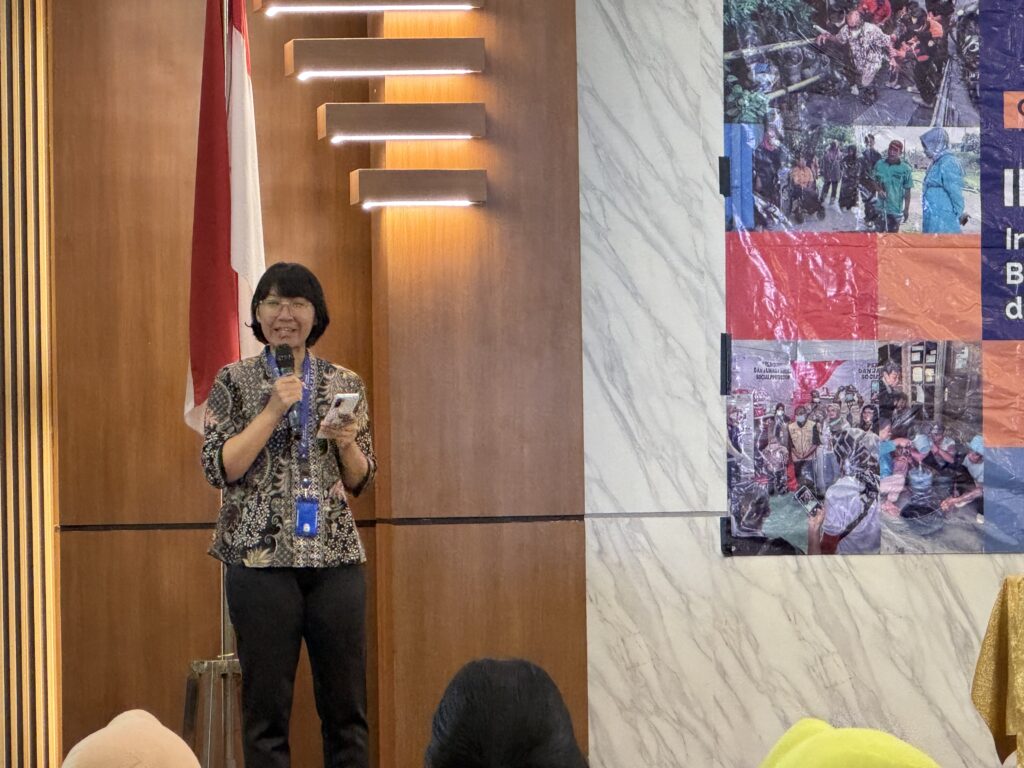
In her remarks, YEU Director Debora Dian Utami emphasized that 2026 marks the program’s six-year journey Community-led Innovation Partnership (CLIP) in Indonesia. Through the IDEAKSI initiative (Ideas, Innovation, Action, Inclusion), YEU has supported dozens of local innovators in developing community-based solutions to address the challenges posed by disasters and the climate crisis.
This approach positions the community as the primary actor—from identifying problems and designing solutions to implementation and evaluation. As a result, the innovations produced are not only relevant to the local context but also highly sustainable due to the community’s sense of ownership.
A wide range of innovations have been developed, ranging from accessible early warning systems, landslide mitigation, and waste management to agriculture-based innovations and food security initiatives. These innovations also help promote social inclusion, particularly for at risk groups such as people with disabilities, older people, women, and children.
Program Insights: Real-World Impact and Sustainability Challenges
During the learning session, YEU presented the results of the CLIP implementation evaluation, which demonstrated a significant impact on the community. A total of 98% of respondents reported direct benefits from the initiative, while 94% reported an increase in their disaster preparedness capabilities.
In addition to its technical impacts, this program also drives social change, such as increased confidence among innovators and the creation of opportunities for collaboration with various stakeholders, including the government and private institutions.
However, sustainability challenges remain a key concern. Access to funding, policy support, and market development for community-driven innovations are critical areas that need to be strengthened through multi-stakeholder collaboration.
Building an Innovation Ecosystem in Regional Areas
The meeting also highlighted the local government’s perspective on the importance of innovation in development. A representative from the Special Region of Yogyakarta’s Paniradya Office emphasized that community-based innovation aligns with efforts to improve well-being and the quality of public services in the region.
The Special Region of Yogyakarta Government, through various policies and the use of the Special Fund, continues to promote a culture of innovation down to the village level. This opens up opportunities for community-driven innovation to be integrated into regional development programs.
Space for Dialogue and Collaboration
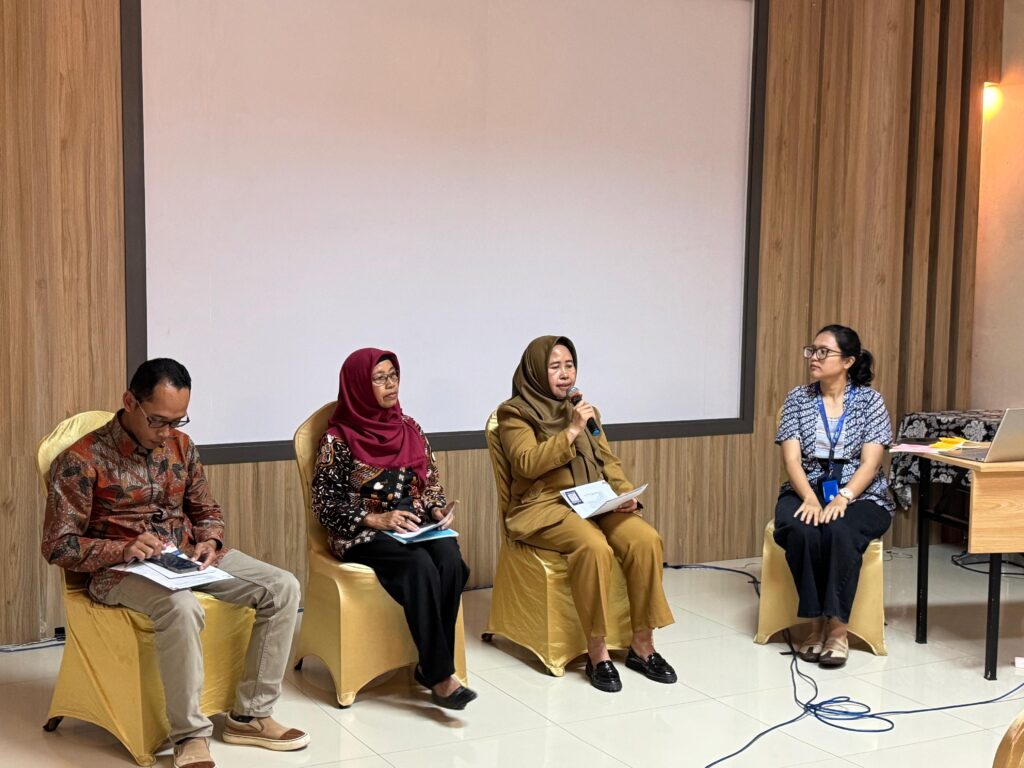
As the main focus of the event, participants engaged in multi-stakeholder discussions organized around three themes: community engagement in the innovation ecosystem, opportunities for supporting innovation development, and the potential for integrating and replicating innovations. These discussions generated various ideas for collaboration and commitments to support the sustainability of community-based innovation.
This workshop not only serves as a space for sharing knowledge but also strengthens networks and opens up opportunities for cross-sector collaboration to expand the impact of innovation.
Toward Sustainable and Inclusive Innovation
Through this initiative, YEU reaffirms its commitment to continuing to promote inclusive and sustainable community-based innovation. Multi-stakeholder collaboration is key to ensuring that innovation does not stop at the implementation stage, but can evolve, be replicated, and provide long-term benefits to the community
Author: Desy Putri Ratnasari (Information and Communications Officer, CLIP IDEAKSI Project)