

For communities in Pagerharjo and Ngentakrejo, Kulon Progo, changing weather patterns are more than just seasonal shifts. Unpredictable rainfall, longer dry seasons, and increasing pest outbreaks affect agricultural production, livestock feed availability, and food security. These conditions also have social and economic impacts, particularly as most community members rely on farming and livestock rearing for their livelihoods. Amid disaster risks such as landslides, droughts, earthquakes, and extreme weather, the ability of communities to adapt has become increasingly important.
When environmental conditions change, the impacts are felt directly in everyday life. Therefore, community resilience is not only about responding to disasters, but also about how people continue to sustain their livelihoods and adapt to change.
Climate-Adaptive Agriculture
To support disaster risk reduction efforts, community members and interfaith groups, including churches in Pagerharjo and Ngentakrejo, participated in climate-adaptive agriculture training. This approach equips communities with the knowledge to manage agricultural practices that are more environmentally friendly while also becoming more resilient to the impacts of climate change.
The training aimed to strengthen community resilience in facing, adapting to, and recovering from various social, economic, environmental, and disaster-related challenges. Building community capacity is also essential to empower people to develop and implement resilience actions that address the specific hazards and risks in their areas.
The training featured resource persons from YEU-supported communities in Gunungkidul who have already implemented climate-adaptive agricultural practices in their own villages. Warsilah from Watu Gajah Women's Farmer Group (KWT) and Warno from Petani Millenial (Young Farmer Group) shared their experiences in environmentally friendly farming, the use of local resources, and adaptation practices applied in their daily agricultural activities. This peer-learning approach made the training more relevant and practical, as knowledge and experience were shared from communities for communities.
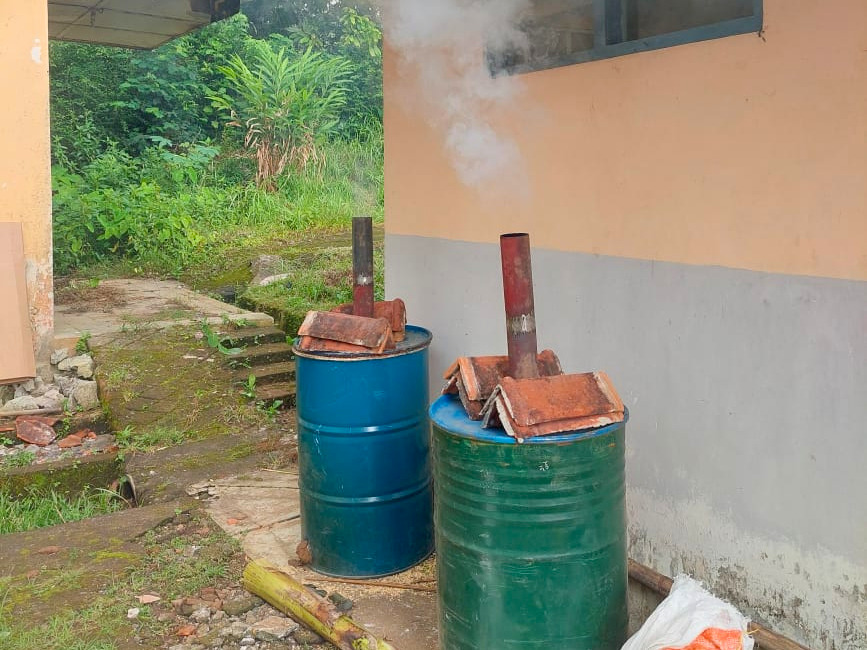
Figure 1. Rice husk charcoal production using a drum equipped with a chimney and ventilation holes
One of the practices introduced was the production of rice husk charcoal, made by burning rice husks and used as a planting medium. Rice husk charcoal improves soil structure and moisture retention, contributing to greater crop resilience in the face of increasingly unpredictable weather conditions. In addition to utilizing locally available materials, this practice also provides a way to reduce agricultural waste.

Figure 2. Community members coordinating during an organic fertilizer-making practice session
Maintaining soil quality was another important aspect of the training. The community members learned how to produce organic fertilizer using natural materials such as animal manure, vegetable scraps, and fruit peels. The use of organic fertilizer supports the long-term maintenance of soil fertility more sustainably while reducing dependence on chemical fertilizers. This approach is not only environmentally friendly but also contributes to lowering agricultural production costs.
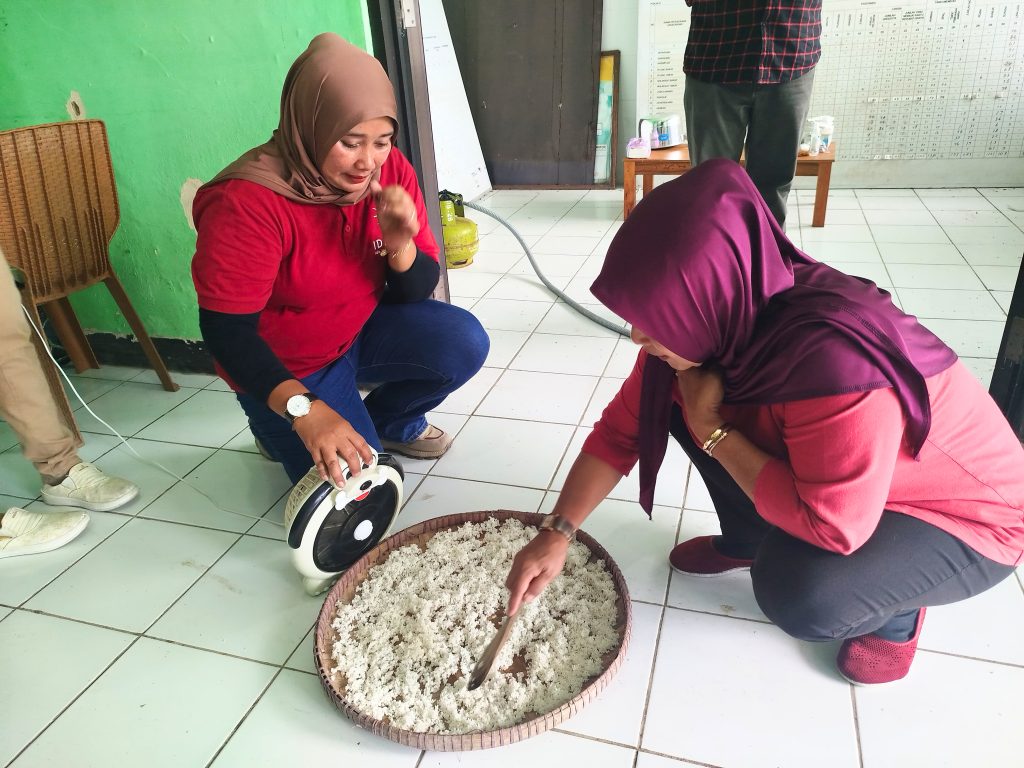
Figure 3. Members of the community practicing the production of biological pesticides
In addition to improving soil quality and fertility, participants learned how to protect crops from pests through the use of biological pesticides. These pesticides are made from natural ingredients such as garlic, neem leaves, soursop leaves, lemongrass, and tobacco, processed into spray solutions. These materials contain natural properties that help reduce pest attacks without harming the environment. As climate change can increase the risk of pest outbreaks and plant diseases, this knowledge equips communities to protect crops while maintaining agricultural productivity as a source of livelihood.
Building Resilience at the Community Level

Figure 4. Communities from Pagerharjo and Ngentakrejo together with YEU during climate-adaptive agriculture training
The production of rice husk charcoal, organic fertilizer, and biological pesticides forms part of broader disaster risk reduction efforts through strengthening food security and enhancing communities' ability to adapt to climate change. Climate-adaptive agriculture not only aims to increase agricultural productivity but also helps reduce the impacts of extreme weather and environmental degradation.
The benefits of these practices are already being felt and applied by community members. Joko, a member of KSB Pagerharjo (Disaster Preparedness Group), explained that rice husk charcoal introduced during the training has already begun to be used by KWT (local women's farmer groups). According to him, rice husk charcoal helps retain soil moisture and can serve as a simple early action measure to prepare for drought conditions.
"Rice husk charcoal is already being used by KWT (local women's farmer groups). We hope that simple practices like this can become an early action measure for dealing with drought. It is easy to produce, and the materials are readily available within the community," said Joko.
This learning process demonstrates that resilience can be built through practices that are closely connected to people's daily lives. From managing farmland to strengthening community cooperation, every small step contributes to addressing disaster risks and adapting to climate change.
Through strengthened capacity and collaboration among communities, the people of Pagerharjo and Ngentakrejo continue to develop locally driven adaptive approaches. These efforts not only strengthen their ability to address current risks but also contribute to the sustainability of community life and livelihoods in the future.