
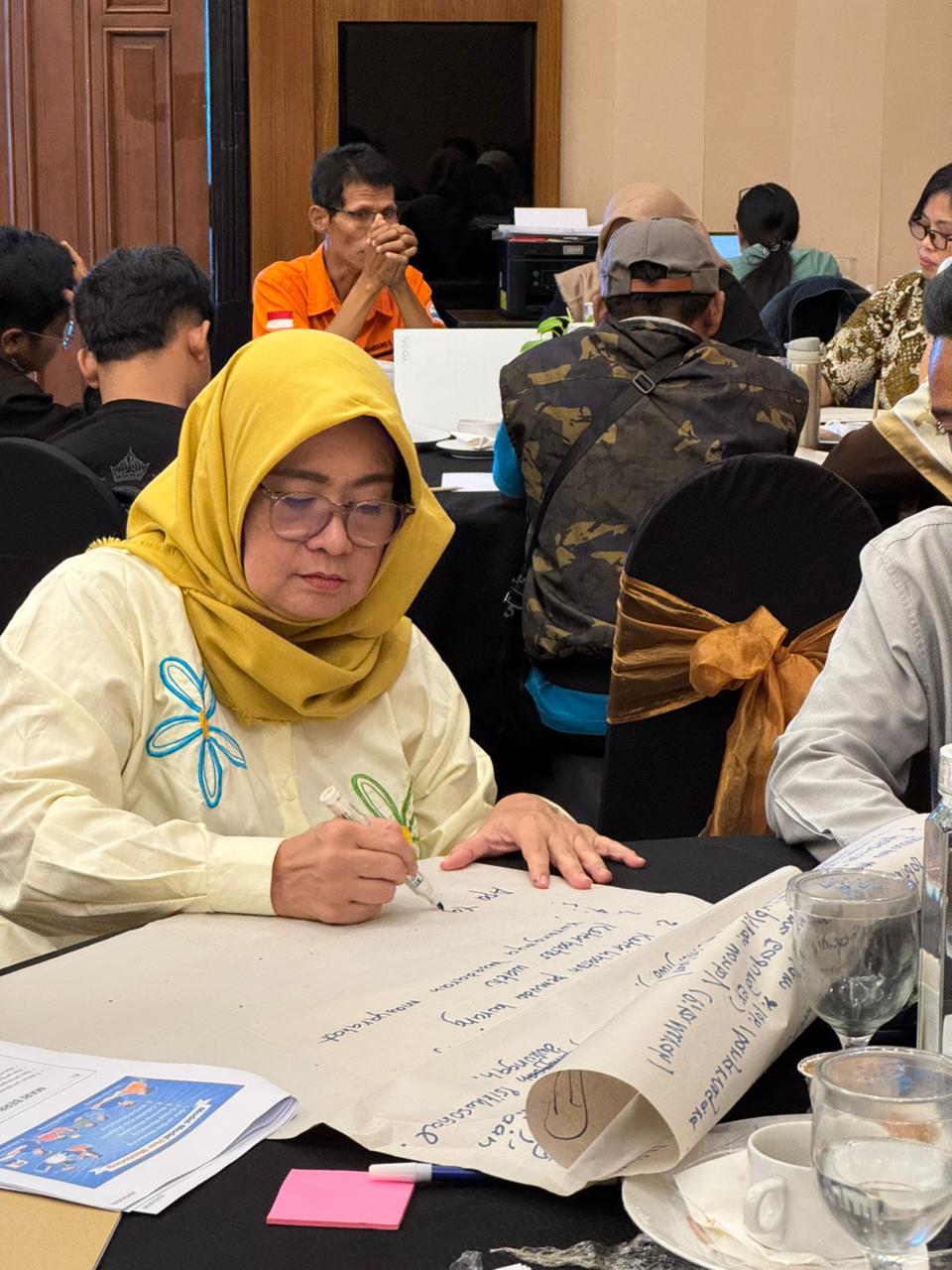
Yogyakarta, 26 March 2026 – YAKKUM Emergency Unit is once again promoting community-based innovation through the “IDEAKSI Peer Mentoring for Innovators: Capacity Building for Mentors and Peer Support Among Innovators” program, held in Yogyakarta. This initiative represents a strategic step toward building a learning ecosystem among innovators through a peer-to-peer experience-sharing approach (peer to peer learning). A total of 62 participants from various IDEAKSI 2.0 innovator groups attended this training as part of the process Training of Trainers (ToT) to prepare them for their role as mentors to other groups of innovators.
Promoting Equitable Learning
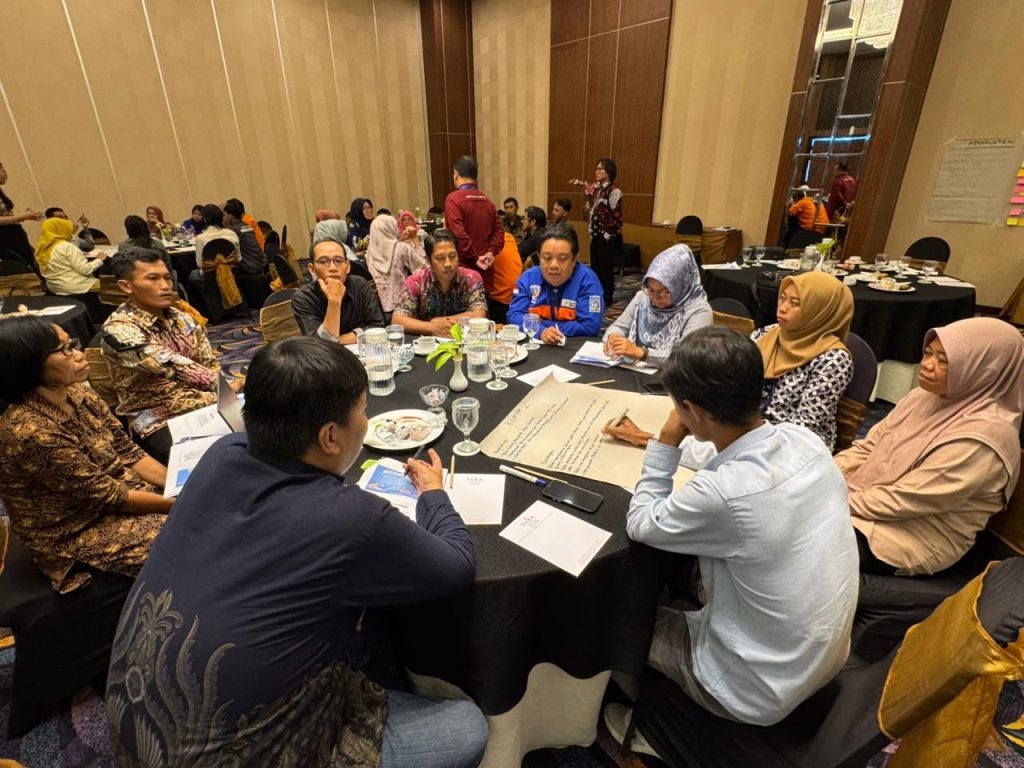
The IDEAKSI program demonstrates that local innovators are not only implementers of solutions within their communities but also have the capacity to share their knowledge and experience with other groups. A peer-mentoring approach was chosen as a strategy to strengthen horizontal or peer-to-peer learning that is more contextual, practical, and relevant to on-the-ground conditions.
Through this process, experienced innovators with a track record of best practices serve as mentors, while other groups still facing challenges act as mentees.
Strengthening the Role of Mentors: From Experience to Learning
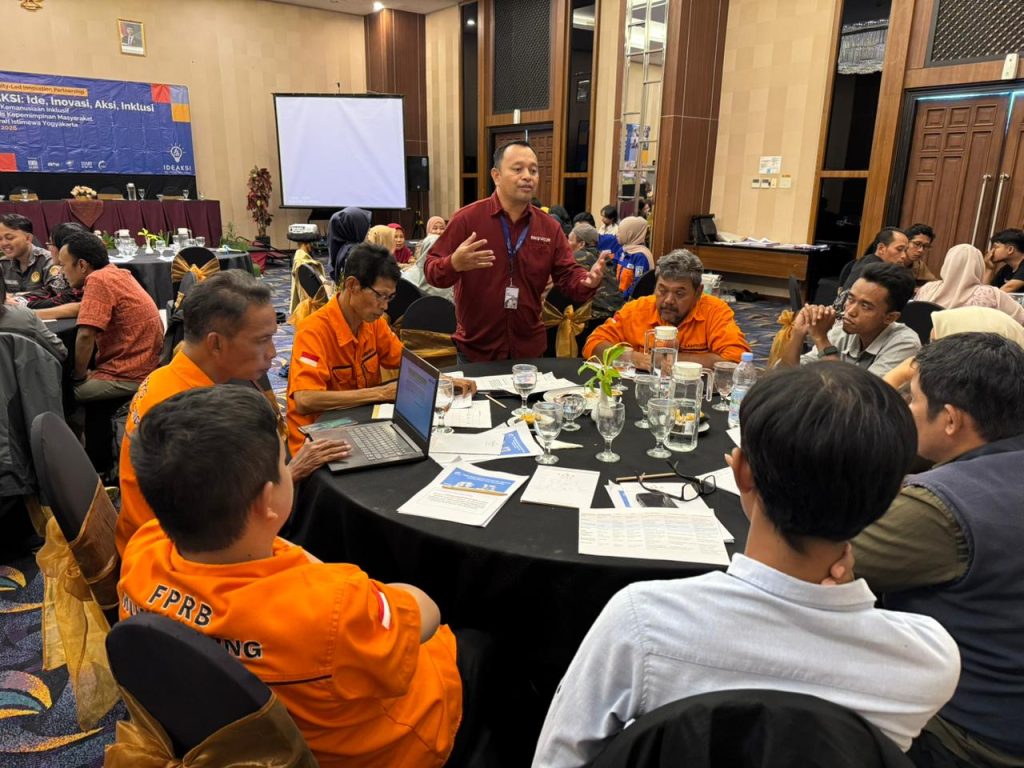
During the learning session, participants were guided to understand the basic concept of mentoring as a peer-to-peer support process that emphasizes diverse experiences, rather than merely a one-way transfer of knowledge. Mentoring is understood as an equal, mutual learning process, in which both the mentor and the mentee possess knowledge and experience that can be shared.
Unlike formal training, mentoring is more flexible and adaptable to the needs of each group. In addition, this approach emphasizes the importance of creating a safe, comfortable, and inclusive space for everyone to share.
Challenges and Hopes: Building Self-Confidence and Capacity
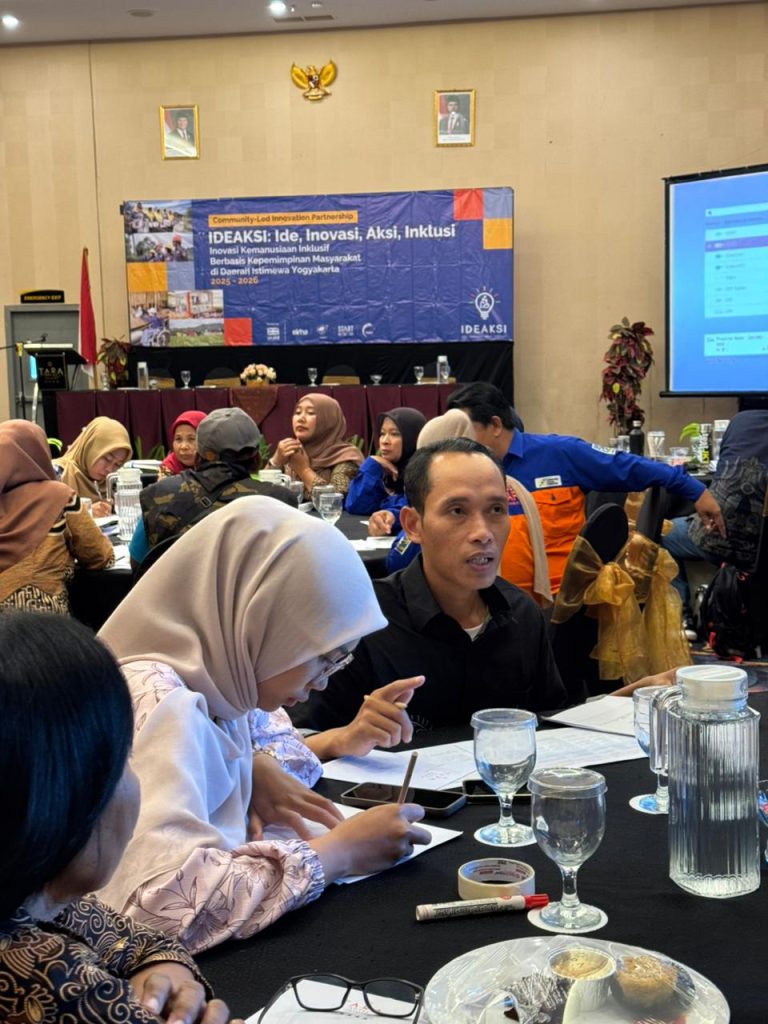
Participants’ reflections indicate that the main challenges in fulfilling the role of a mentor stem largely from internal factors, such as a lack of self-confidence, mastery of the subject matter, and public speaking skills. In addition, regional differences, time constraints, and limited access to technology also pose challenges in the mentoring process.
On the other hand, the participants have high hopes of developing into confident, professional mentors who are able to share their experiences with other groups. This process is expected not only to enhance the mentees’ capabilities but also to strengthen the mentors’ leadership and communication skills.
Hands-On Practice and Strengthening the Mentoring System
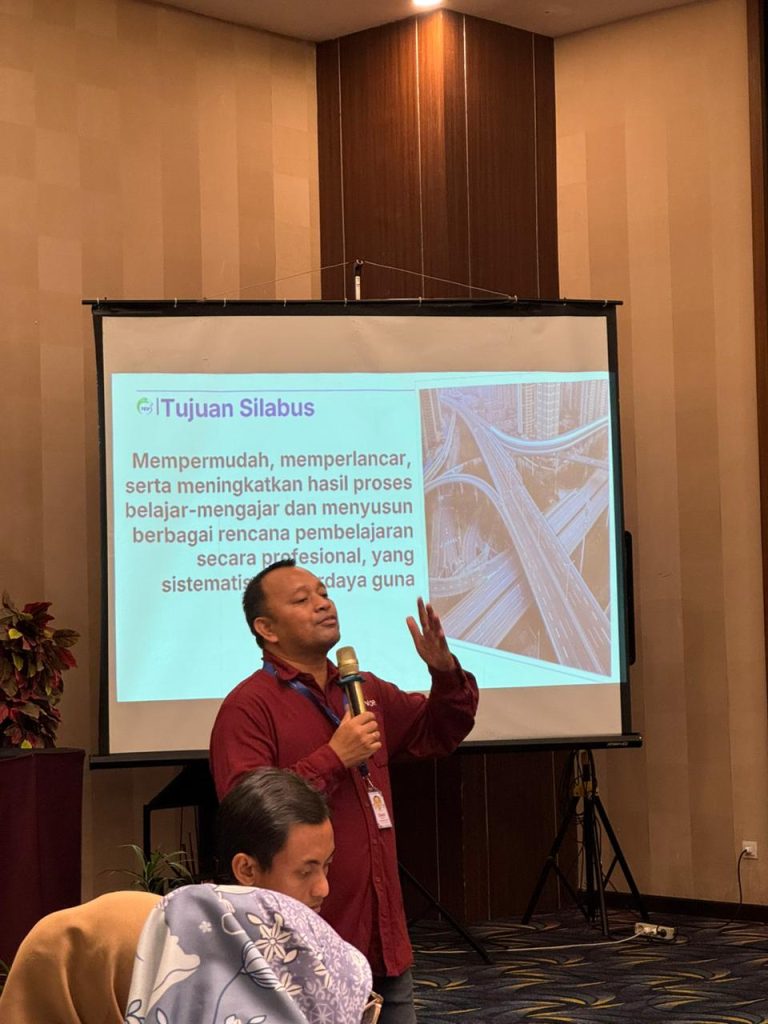
In addition to conceptual material, this program also includes practical sessions, such as developing mentoring syllabi and work plans, as well as mentoring simulations through role-playing. Participants are also introduced to simple monitoring tools to help make the mentoring process more structured and measurable.
This approach ensures that the mentoring process is not only informal but also involves clear planning, implementation, and evaluation.
Building an Ecosystem of Collaboration and Sustainable Innovation
Through the process peer mentoring, YEU fosters a stronger ecosystem of collaboration among innovators. This process of mutual learning not only strengthens the capabilities of individuals and groups but also opens up opportunities for networking, cross-regional collaboration, and broader innovation development.
Moreover, mentoring serves as a space to strengthen solidarity and a sense of community among innovators. Guided by the principle of “learning together, growing together,” innovators are encouraged to continue developing adaptive and sustainable solutions to address disaster risks and climate change.