
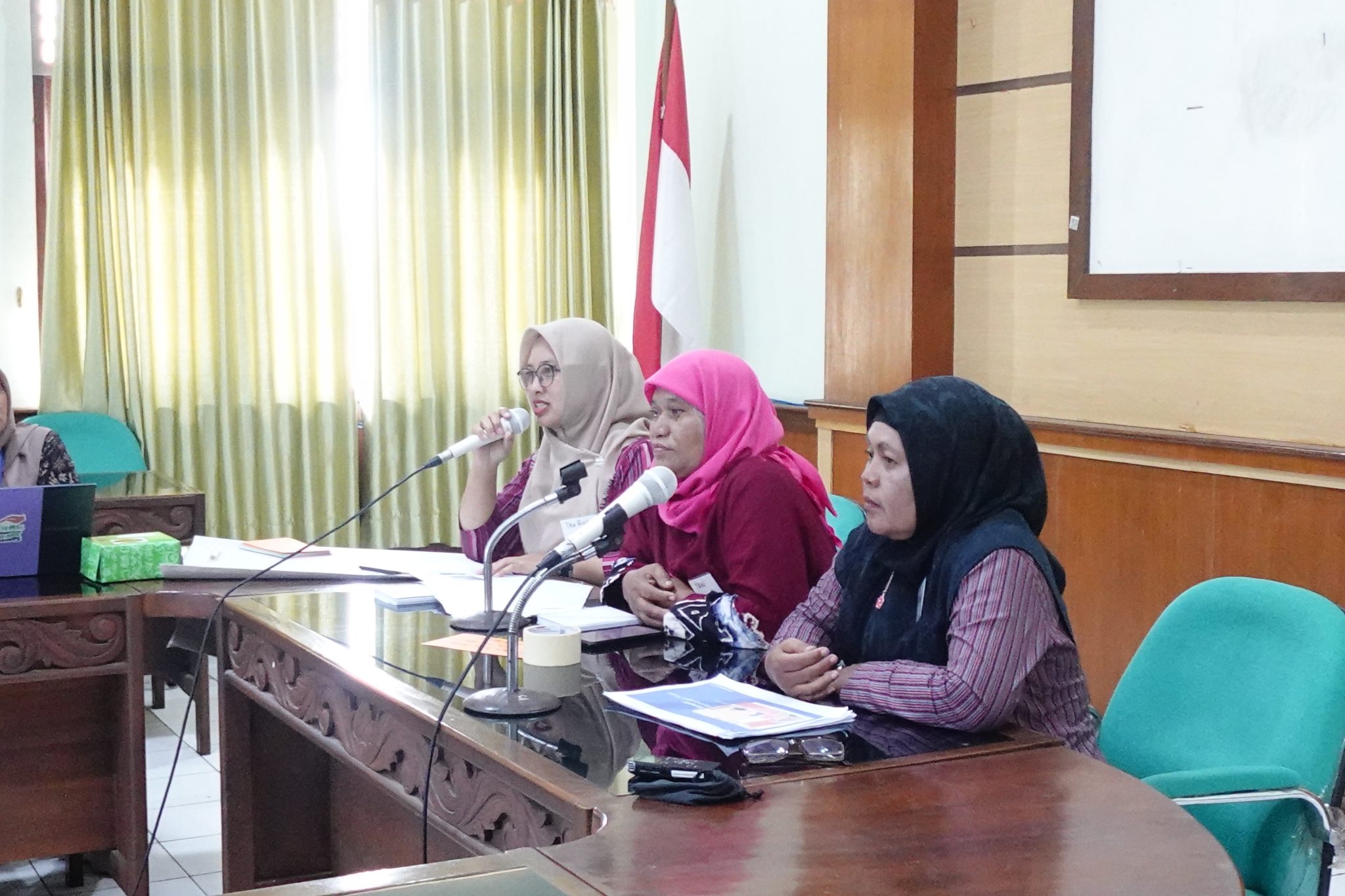
The CRPP Policy Dialogue in Gunungkidul brought grassroots women's knowledge together with the government to promote more inclusive, community-centered climate action.
Climate change is not only visible in changing weather patterns or increasingly unpredictable seasons. At the community level, these changes take the form of crop failures, food shortages, difficulties accessing clean water, loss of livelihoods, and increased household burdens.
Women are often on the frontlines of dealing with these impacts. However, their experiences and knowledge do not always find their way into decision-making spaces.
Melalui Community Resilience Partnership Program Through the Community Resilience Partnership Program (CRPP) in Gunungkidul, grassroots women's groups are not merely involved as participants in activities. They map risks, collect data, identify the most at-risk groups, implement adaptation actions, and bring their findings into dialogue with the government.
One such space was the Climate Change Resilience Action Policy Dialogue, held on 30 July 2026, in Gunungkidul.
From Everyday Experiences to Data
Since 2024, women's groups in five villages—Giriharjo, Girimulyo, Giricahyo, Mertelu, and Jurangjero—have conducted participatory risk assessments and implemented adaptation actions with their communities.
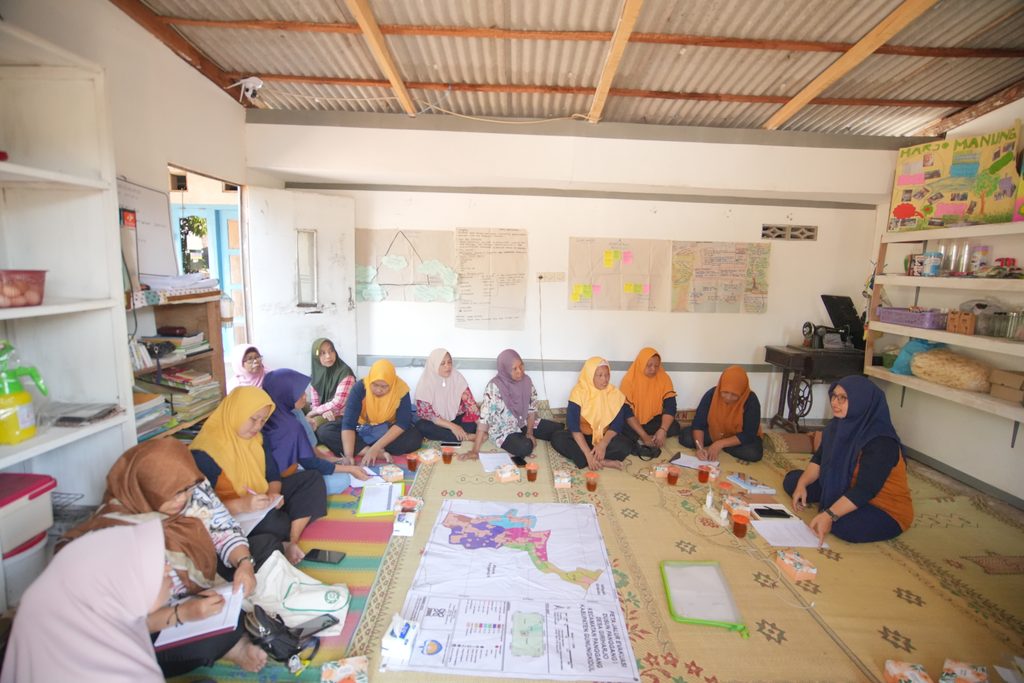
Photo 1: Women group in Giriharjo village is discussion about the most at-risk data
102 organized women leaders are part of women's groups across the five kalurahan. They also work with 17 community groups, including Women Farmers' Groups (KWT), Family Welfare Movement (PKK) groups, MSMEs (Micro, Small, and Medium Enterprises), and others.
Through action research, women documented how climate change affects people's lives in their communities. Their findings showed:
- 89% experienced declining crop yields.
- 45% experienced food shortages.
- 43% experienced water shortages.
- 87% faced unpredictable rainfall.
- 71% faced unpredictable seasons.
- 80% experienced crop failures.
For communities, these figures have real-life consequences. Crop failure can mean loss of income, the sale of assets, and even increased debt. More than 90% of declining agricultural productivity was associated with increased borrowing or debt in the action research findings. These findings show that the impacts of climate change do not exist in isolation. They are intertwined with poverty, access to resources, land ownership, employment, and access to information.
Women Also Know Who Is Most At-risk Group
One of the strengths of the research conducted by women's groups is their ability to see vulnerability up close. The data collected showed that 202 out of 226 households experienced greater economic pressure because they had at-risk family members and more than three household members.
A total of 201 out of 225 households had only one source of income, while 40% had unstable or casual alternative income. In addition, 94 out of 226 households had to rent land for farming.
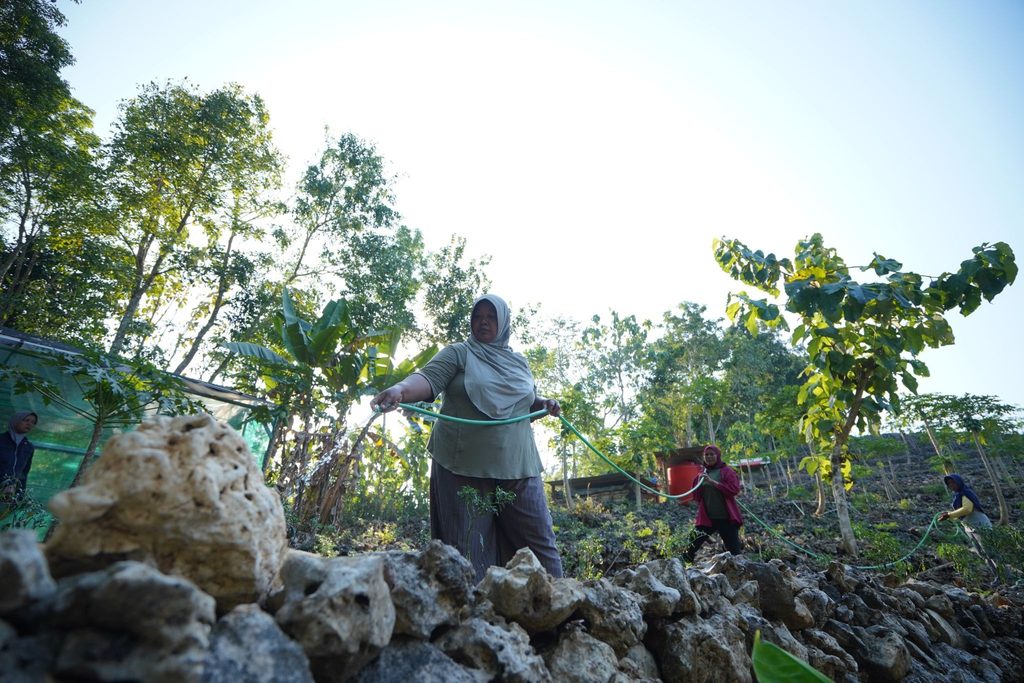
Photo 2: Women farmer group in Girimulyo are watering the plant
Water access was also a major concern. 130 out of 225 households experienced difficulties accessing clean water and had to purchase it. This condition particularly affected groups such as older people living in isolated areas, women living alone, persons with disabilities, children experiencing stunting, pregnant women, and farmers without land.
These data provide a more detailed picture of who is affected and how those impacts occur in everyday life.
From Data to Adaptation Action
Women's groups used them to develop various community-based adaptation actions, including community gardens, livestock management, demonstration plots and farmer groups, rainwater management, and initiatives to strengthen food security and livelihoods.
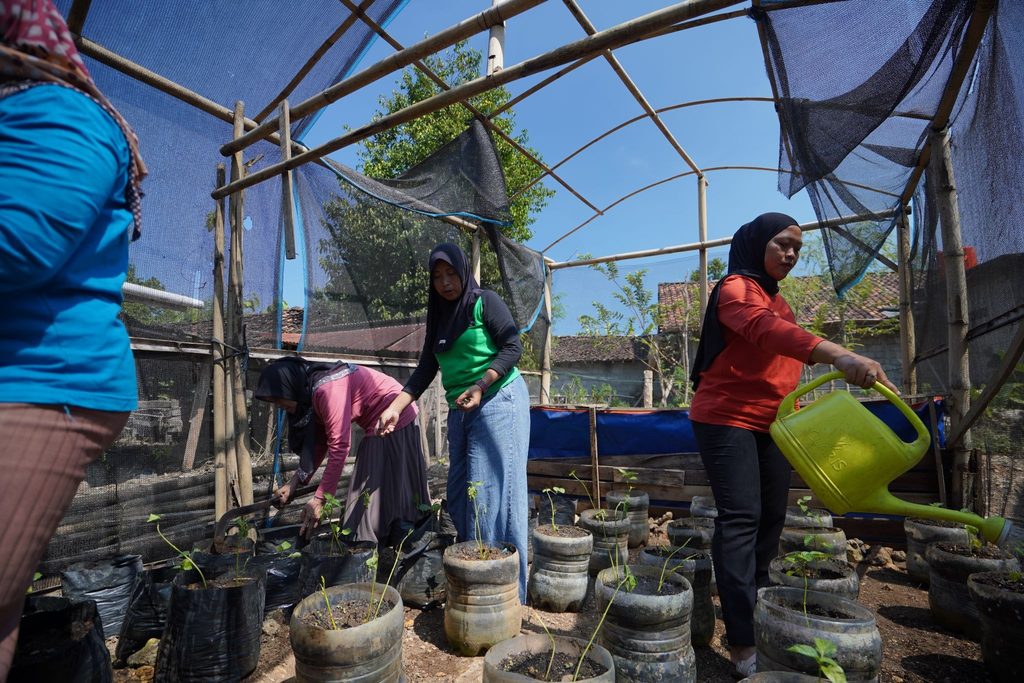
Photo 3: Collective Garden in Kalurahan Giriharjo
In the action research, 39% of participants developed community gardens, 40% developed livestock management initiatives, and 38% developed demonstration plots and farmer groups. However, women also found that communities' capacity to adapt is strongly influenced by access to programs and resources.
Smallholder farmers, for example, face limitations in land, capital, water, climate information, and adaptation skills. When government programs are available but communities struggle to access them, the benefits do not necessarily reach those who need them most. This is why bringing women's knowledge into decision-making processes matters.
Not Just Present, Women Lead the Dialogue
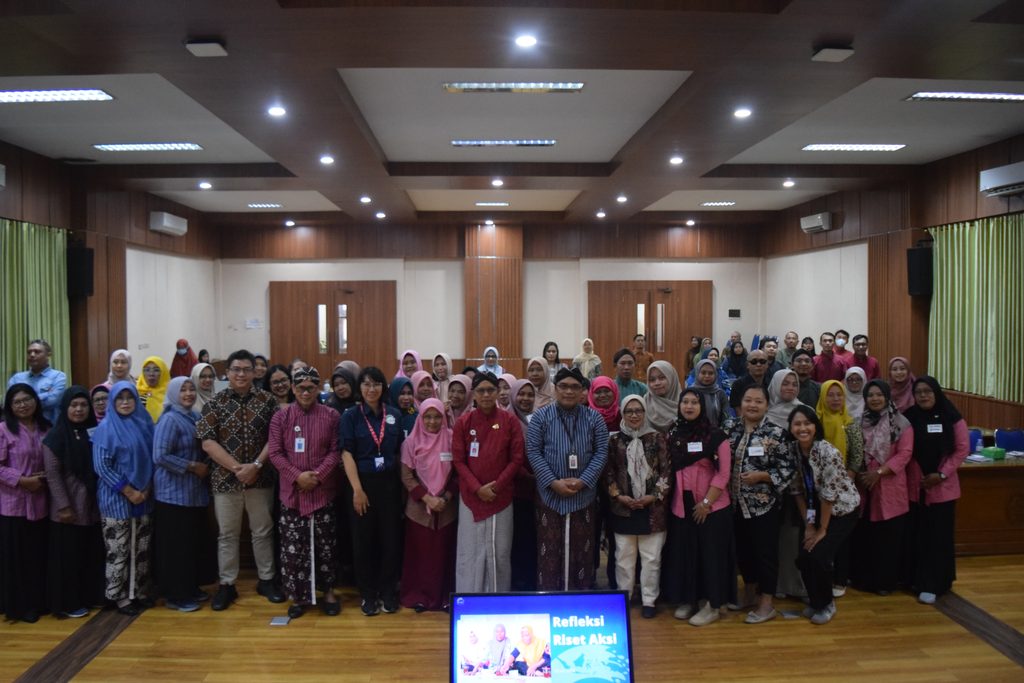
In the Gunungkidul Policy Dialogue, women were not positioned merely as recipients of information. They took on various roles throughout the dialogue process: moderators, discussion facilitators, presenters, rapporteurs, timekeepers, and discussion summary writers. A total of 43 out of 58 dialogue participants were women. Five women's groups from five kalurahan brought their experiences and findings into dialogue with local government agencies (OPDs) and other stakeholders.
For some women, the forum also became a learning space where they could speak directly with the government and communicate the issues they had identified through their action research. This involvement matters because meaningful participation is not only about how many women attend a meeting. More than that, women need space to share their knowledge, put forward recommendations, influence discussions, and help determine follow-up actions.
Local Women's Knowledge Reveals Often-Overlooked Issues
This is clearly reflected in social protection issues. The action research found that 60% of participants had encountered or received information about Direct Cash Assistance, Family Hope Program, Non-Cash Food Assistance, or National Health Insurance, but 56% of them only knew that the programs existed without being able to explain the mechanisms or how to access them. Only 34 participants knew the steps required to access this assistance.
At the same time, women possessed highly specific local knowledge. Of the 102 women leaders involved in the research:
- 89 leaders understood their local areas.
- 48 leaders knew at-risk households in their surroundings.
- 41 leaders could identify households eligible for social protection.
- 20 leaders could follow up on the needs of at-risk groups.
However, only 29%% had ever proposed recommendations in village meetings, and 11 women leaders had taken leadership roles within village structures. These data reveal a gap between women's knowledge of community conditions and the space available to them to influence decisions.
When Community Findings Meet Government Systems
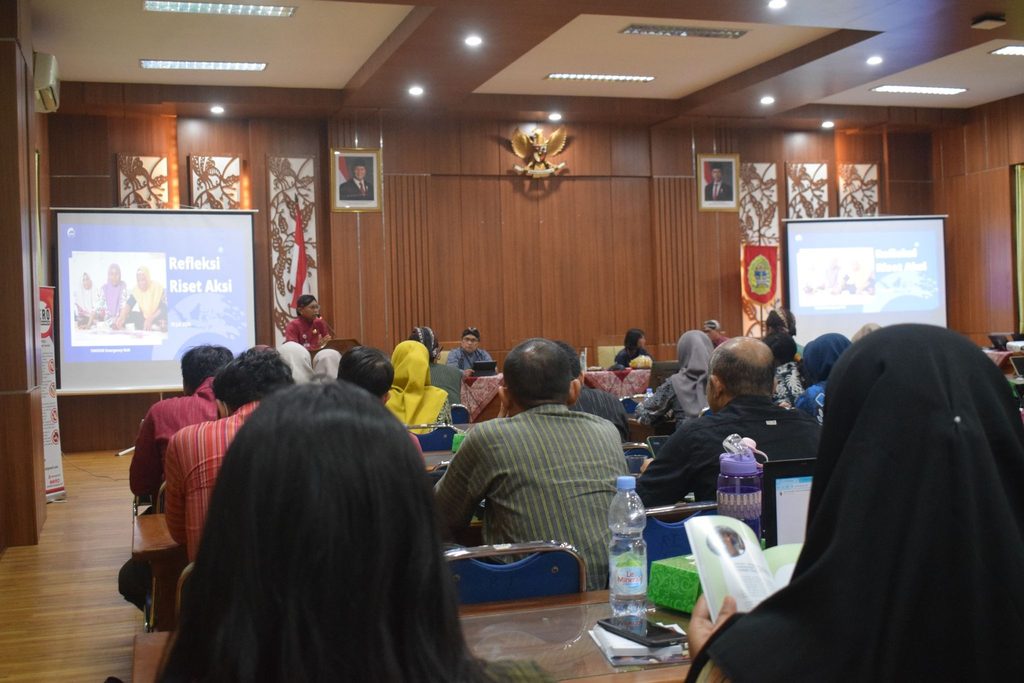
Photo 4: Policy Dialogue with Government in Gunungkidul
The Policy Dialogue provided a space to bring together two essential elements: community knowledge and needs with government programs, policies, and resources. In agriculture, for example, the dialogue addressed strengthening farmer groups and Women Farmers' Groups, organic fertilizer, climate-adaptive agriculture, agricultural processing, and farmer protection.
On water-related issues, women brought data on households struggling to access water, while government agencies explained various options, such as water distribution, rainwater harvesting systems (PAH), boreholes, household connections, and community-based water management.
In Girimulyo, for example, women's groups found that of the 92 households in Prahu Sub-village that had not accessed the regional water supply (PDAM), 40 households were located approximately 700 meters from the main pipeline. In Mertelu, residents had to purchase water from tankers during the dry season at a cost of approximately IDR 150,000–175,000 for 5,000 liters, which could meet their needs for only two to three weeks, depending on household size.
For vulnerable households, purchasing water is not merely a financial issue. Under certain circumstances, it can push families to sell assets or take on debt. Findings like these help demonstrate that the challenges of climate action are not always caused by a lack of programs, but by gaps between available programs and people's access, information, data, and actual living conditions.
From Dialogue to Change
The dialogue did not stop at an exchange of information. Various issues were directed toward follow-up actions and opportunities for collaboration among women's groups, kalurahan governments, local government agencies, and other stakeholders.
What matters is how the results of the dialogue can continue to move through the following process:
COMMUNITY FINDINGS → DIALOGUE → COMMITMENT → PLANNING → BUDGETING → ACTION → MONITORING
In its remarks, the Gunungkidul Regency Government also emphasized the importance of cross-sectoral synergy, integrating community action research findings into regional budgeting, utilizing kalurahan funds and development programs for community-based agricultural and drought mitigation, and mainstreaming gender. This demonstrates that knowledge generated by communities can become part of a broader policy conversation.
Women Are Not Just Beneficiaries, but Part of the Solution
The CRPP experience in Gunungkidul shows that grassroots women possess vital knowledge for building resilience to climate change. They know the changes taking place in fields, water sources, kitchens, markets, families, and their surrounding environments. They also know who struggles most when drought, crop failures, or changes in access to social assistance occur.
When this knowledge is collected as data and brought into decision-making spaces, women are no longer positioned merely as beneficiaries. They can become holders of local knowledge, data collectors, drivers of adaptation action, bridges between communities and government, and partners in decision-making.
Therefore, building just climate action is not enough if we only create programs for communities. We need to create spaces to design solutions together with communities—including women who face the impacts of climate change directly in their everyday lives. Because those who experience the impacts should also have the space to determine the solutions.
Listen to women. Involve them in decision-making. And ensure their knowledge becomes part of climate action.