
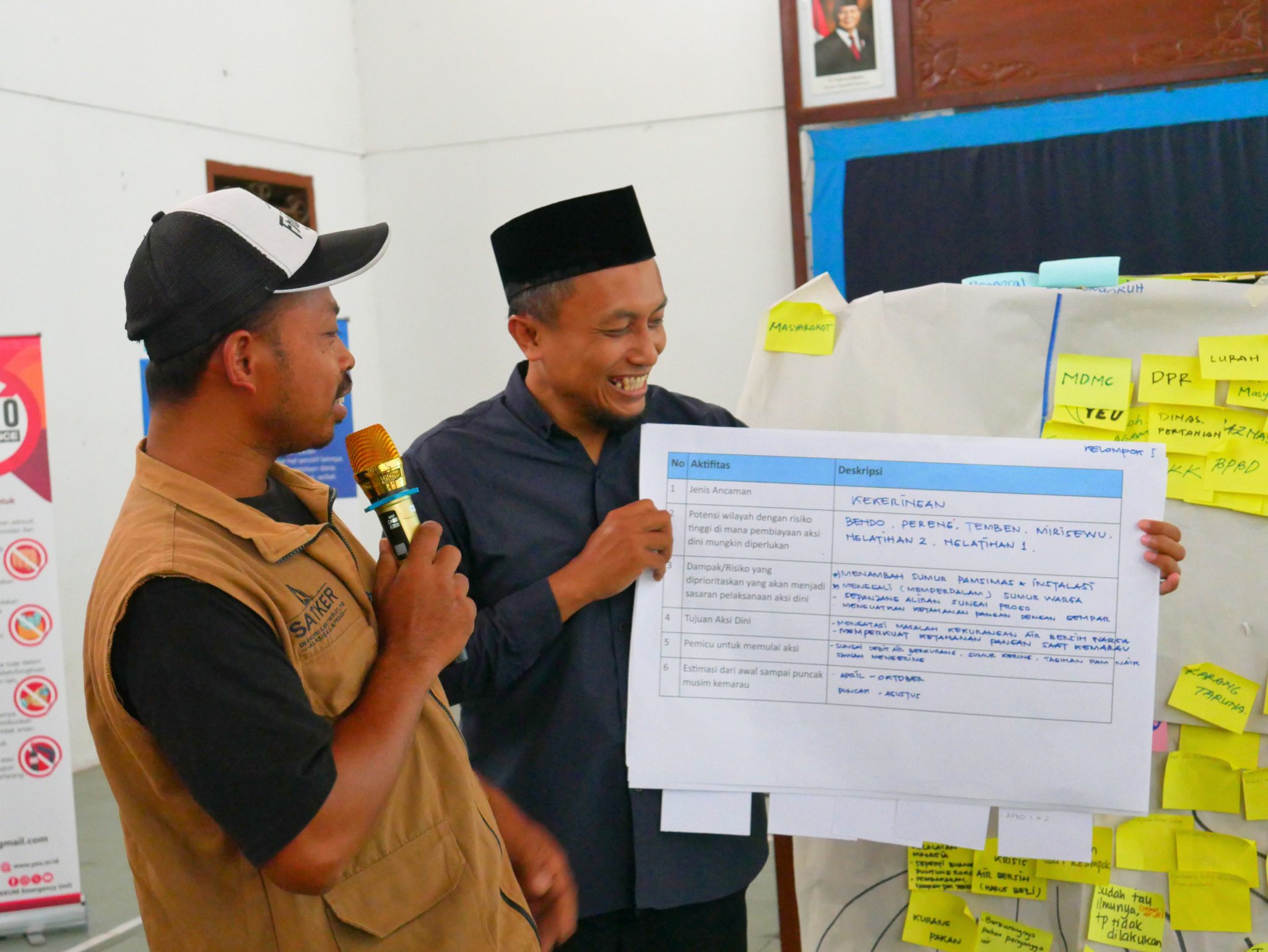
Ngentakrejo and Pagerharjo, two villages in Kulon Progo Regency, are communities that live alongside various disaster risks, including droughts, floods, landslides, earthquakes, and extreme weather events that can directly affect daily life and livelihoods. Most community members rely on agriculture, livestock farming, and other local resource-based sectors, making climate change and disasters a significant threat to community livelihoods, local economic stability, and food security. Therefore, disaster preparedness cannot be carried out individually, but requires the involvement of all elements of society.
Interfaith Solidarity in Facing Disaster Risks
Amid growing disaster risks, various community groups take an important role in strengthening collective resilience, including interfaith communities. Places of worship and faith-based communities often serve as safe spaces where communities share information, coordinate support, and strengthen solidarity during crises.
Through the SIAGA Program (Interfaith Solidarity for Anticipatory Disaster Action), communities from different religious backgrounds learn together about disaster risks and resilience-building efforts, strengthen coordination and community-level risk mapping, and develop anticipatory actions to respond to early warning systems in order to reduce impacts before disasters occur. The main objective of the program is to protect the lives and livelihoods of people living in disaster-prone areas from disaster and climate-related threats through collaboration and mobilization of churches and communities within AMPD (Anticipatory Action), while strengthening disaster resilience. This process also creates spaces for dialogue among communities to better understand the conditions and vulnerabilities faced in each area.
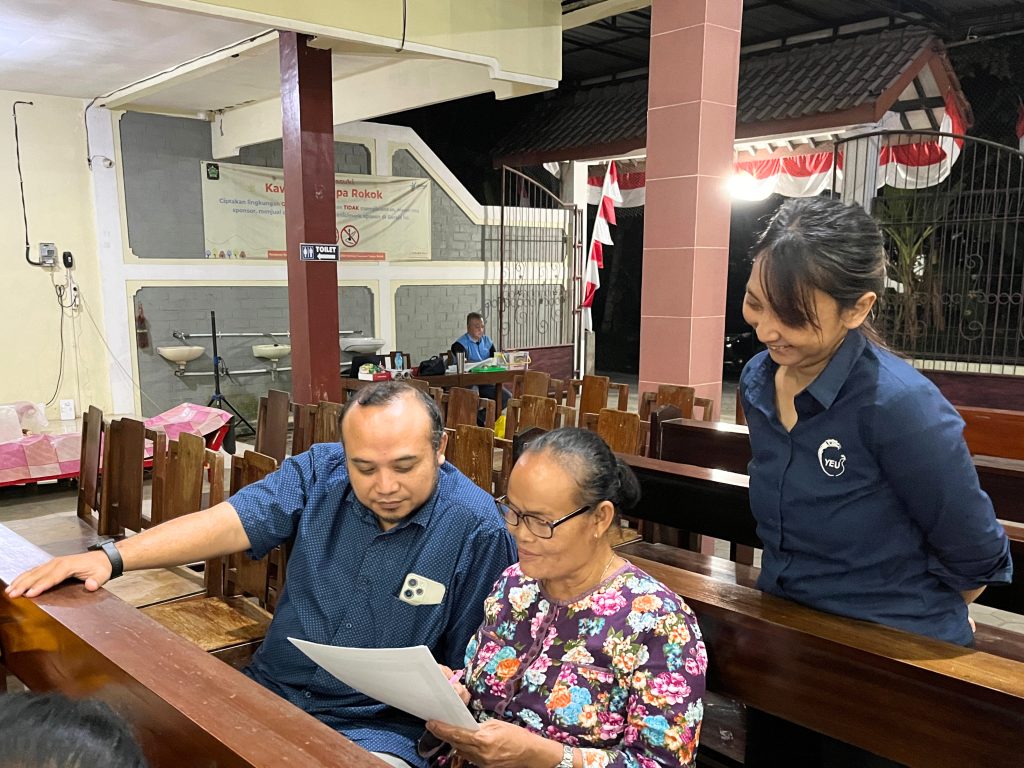
Figure 1. Bible Study Session at GKJ (Javanese Christian Church) Ngentakrejo
Strengthening Capacity and Resilience through Community Collaboration
Interfaith collaboration also encourages more inclusive disaster risk reduction efforts that involve all groups within society, including women, older persons, children, and other at-risk groups. Throughout the program, churches and communities have collaborated in various capacity-strengthening initiatives, ranging from food security efforts to strengthening economic resilience through goat farming and climate-adaptive agriculture. Disaster preparedness approaches are also integrated within church activities through Bible study sessions that help communities recognize disaster risks while fostering care and responsibility toward others and the surrounding environment.
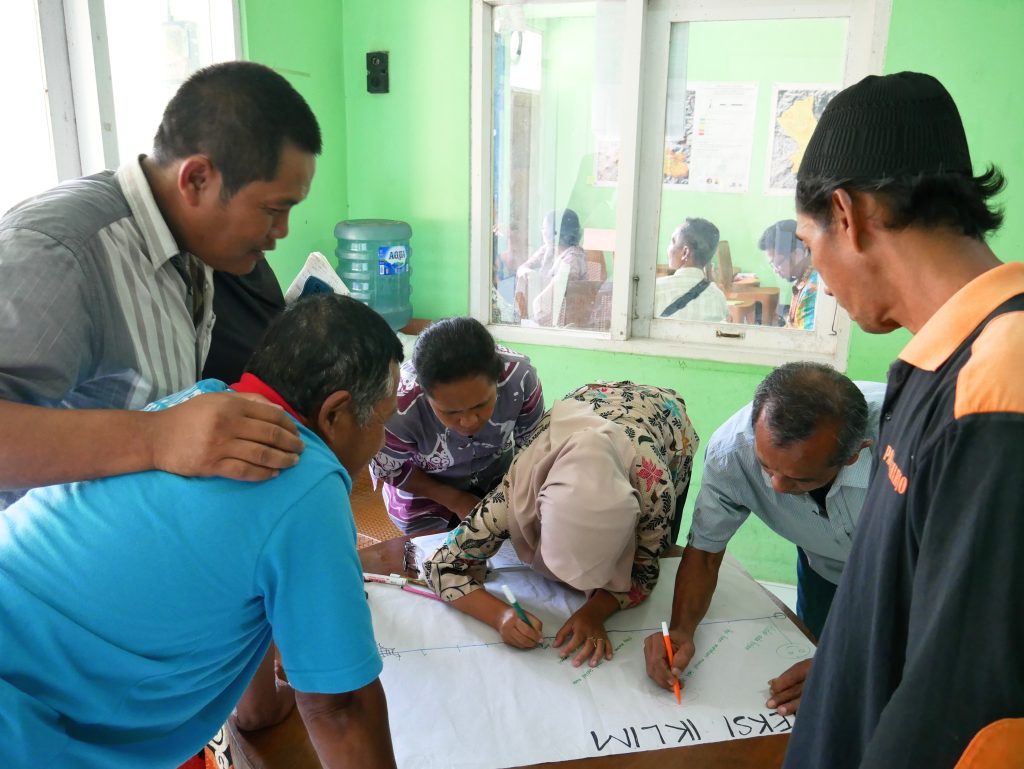
Figure 2. Community members in Pagerharjo participating in disaster risk assessment training and early action planning
Through discussions, preparedness training, and participatory risk assessments, communities are able to identify potential hazards as well as local capacities. Community knowledge regarding environmental conditions, evacuation routes, available resources, and the most at-risk groups becomes an important foundation for building collective preparedness.
Beyond improving disaster knowledge and preparedness, interfaith collaboration also strengthens solidarity among community members. In disaster situations, trust and cooperation become essential to help communities respond effectively and work together in a coordinated way. Through this community-strengthening process, communities in Ngentakrejo and Pagerharjo demonstrate that differences can become a source of strength in building a more resilient, empowered, and inclusive society in facing future disaster risks.